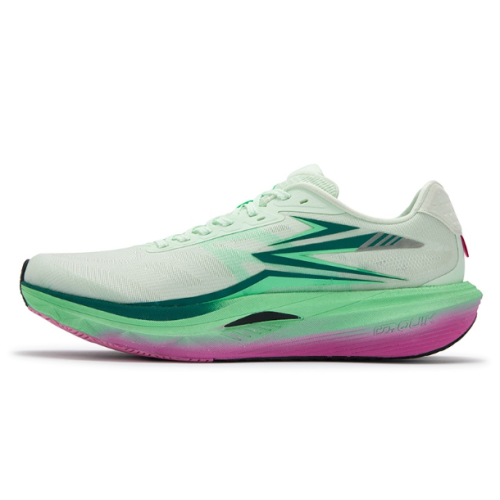
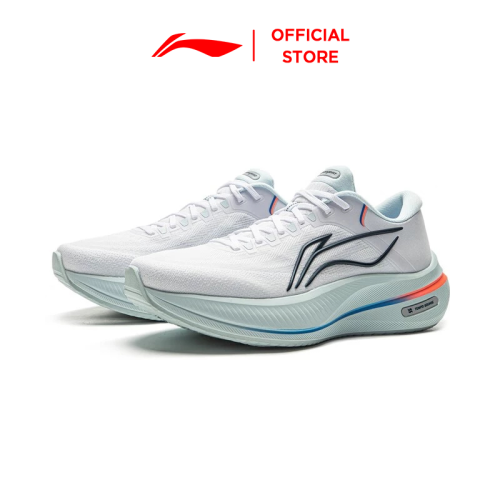
GOrun Max Road 6
- Weight
- 312g
- Drop
- 6mm
- Heel / Forefoot
- 40/34mm
What kind of runner are you?Pick one to see how this shoe rates for you
A very suitable choice for heavier beginners or those whose joints need more protection. The 40mm stack provides abundant shock absorption, noticeably reducing load on knees and ankles; the 6mm drop is friendly and needs no low-drop adaptation. The relaxed upper fit avoids pressure for newcomers and stays comfortable over long wears. Start with 3-5 km two or three times a week at a conversational pace to build the habit. The 312g weight is the trade-off: at slow paces it is not a problem for true beginners, but you will feel it if you try to go faster. If you weigh over 80 kg or have had knee discomfort, the cushioning volume here is especially worthwhile. Once your mileage is stable, weight down or strength built, consider lighter shoes.
Suited to casual runners doing three or four runs a week centred on easy and long slow distance, especially those who are heavier or need joint protection. The 40mm stack keeps every 5-10 km comfortable, leaving knees and soles free of discomfort afterwards, and the 6mm drop works for running and walking alike, with the relaxed upper very friendly for long wears. At around 312g it is on the heavy side for a pure cushioning shoe, but that hardly matters at slow paces and when walking. It also works well as an everyday walking shoe, with enough support from the tall platform. The drawbacks are noticeable heft, which makes tempo or acceleration feel laboured, and merely average breathability. If your goal is comfortable mileage and enjoying the run without chasing pace, its positioning is very clear, and at NT$4,640 the price is friendly.
A very suitable long-distance workhorse for marathon training, though not for race day. The 40mm stack still delivers ample cushioning beyond 30 km, a necessity for the many long runs in a marathon schedule, keeping feet healthy through dense training. The 6mm drop is friendly and maintains a natural gait late in a run. The 312g weight is the main limitation: in the closing stages of runs beyond 30 km you feel noticeably more leg load, and that is the trade-off at high mileage. With no carbon plate and a gentle rebound, a marathon time goal absolutely requires switching to a plated shoe on race day. If you are heavier and your joints need protection, its protective quality as an LSD and recovery shoe is hard to replace. Alternate with the lighter Tempo to balance protection and efficiency.
Speed is entirely outside the GOrun Max Road 6's brief. The 312g weight with the soft 40mm platform feels very heavy going at paces faster than 4:30/km, with noticeably sluggish lifting and push-off as the thick midsole swallows almost all propulsion. Running tempo in it feels like treading a thick mat, entirely lacking ground feedback and sensitivity. Using it for short intervals makes you 20-30 seconds slower than usual and noticeably increases calf and thigh fatigue. Define it clearly as an easy-run, recovery and long-slow-distance shoe, leaving speed sessions to light models like the AERO Razor. If you must accelerate in training (for example marathon-pace runs), keep to the slower end and only on days when you need protection and do not care about pace.
Specs
- Midsole
- HYPER BURST ICE midsole (CO2-infused), tall max-cushion setup with rocker geometry
- Plate
- No carbon plate
- Upper
- Comfortable enveloping engineered mesh upper, machine washable
- Outsole
- Goodyear rubber outsole, excellent durability and grip
- Terrain
- Asphalt
- Cushioning zone
- Heel Biased
- Version
- Unisex
Compared with other “Daily Slow Run” shoes
179 similar shoes in our database. The dot is this shoe; the line is the average.
Ride feel
「Ultra-soft, Max Cushion, Enveloping」
Who this shoe fits
Reviews
Like 0
- No comments yet — be the first.
Dislike 0
- No comments yet — be the first.
Skechers GOrun 系列最大緩震款,2024 年 11 月 RunRepeat 評測;40/34mm、6mm 落差、312g;美金定價 US$145,台幣為換算值。
Similar shoes
Tags show the difference from this shoe