Running Arm Swing: Pull the Arm Back, Don’t Swing It Down
Training Guides
2026-11-22 200 views
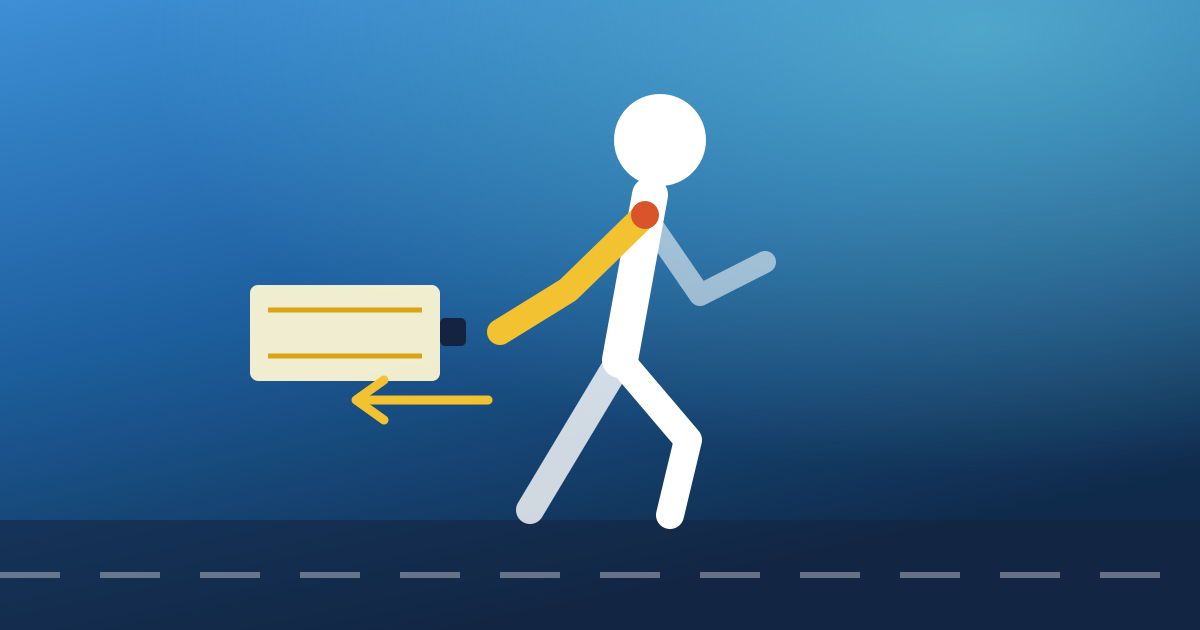
Pull the arm back, don’t swing it down
Sore shoulders and heavy legs? Switch to compare the two arm swings.
How big should the arm swing be?
Drag the slider and the two arms swing in opposition.
Angles are illustrative. There is no single correct arm angle or range; it changes with speed, build and running habits.
Imagine pulling a drawer open behind you
Switch through the three steps to see how the arm (dark green) moves.
The figures are simplified stick runners; the drawer is only a mental image.
Which habits keep tightening your shoulders?
Switch on the habits you have when running and watch the shoulders.
Illustration: the shoulders rise and change colour as you switch items on.
“Pull the drawer” is an image, not a literal instruction
The cue helps you shift from “swing down hard” to a relaxed forward-and-back swing. Here’s how to read it:
- Shoulders relaxed, elbows naturally bent
- Arms swing forward and back at your sides
- The range changes naturally with speed
- Pulling the shoulder far back
- Squeezing the shoulder blades
- Driving the elbow far behind the body
How to read “natural rebound”
The practical takeaway
Just remember:
Relaxed shoulders
Take the arm back
Let it return forward
Tap each one, then head out.
There is no single correct arm angle or range; it changes with speed, build and running habits. If your shoulders or arms already hurt, don’t just push through by changing your arm swing — reduce the intensity and find out why it hurts. If pain persists or gets worse, get a professional assessment.
The first part of this page summarises the “pull the drawer” arm swing from the video; the professional observations and reminders are additional analysis, not the video’s words.
Relax the shoulders, take the arm back, then let it return forward naturally.
Avoid swinging down, shrugging, clenching your fists or pulling back too far on purpose.🏁 Finished!
Added to your knowledge mileage. Where to next?
Next stop
 Read
Running Leg Fold: Lift the Lower Leg, Not the Thigh
No leg fold and heavy legs? After toe-off, let the lower leg fold quickly up and back so the knee bends, instead of lif…
 Read
Beginner Running? Just Keep Your Mouth Shut!
Many people ask when they start running: "How fast should I go?" or "What should my heart rate be?" Actually, if you’re…
 Read
Plantar fasciitis
The plantar fascia is a ligament stretching from the heel to the forefoot, supporting the arch and absorbing impact dur…