Meniscus discomfort (catching or stiffness when squatting or going up/down stairs)
Common running injury terms
737 views
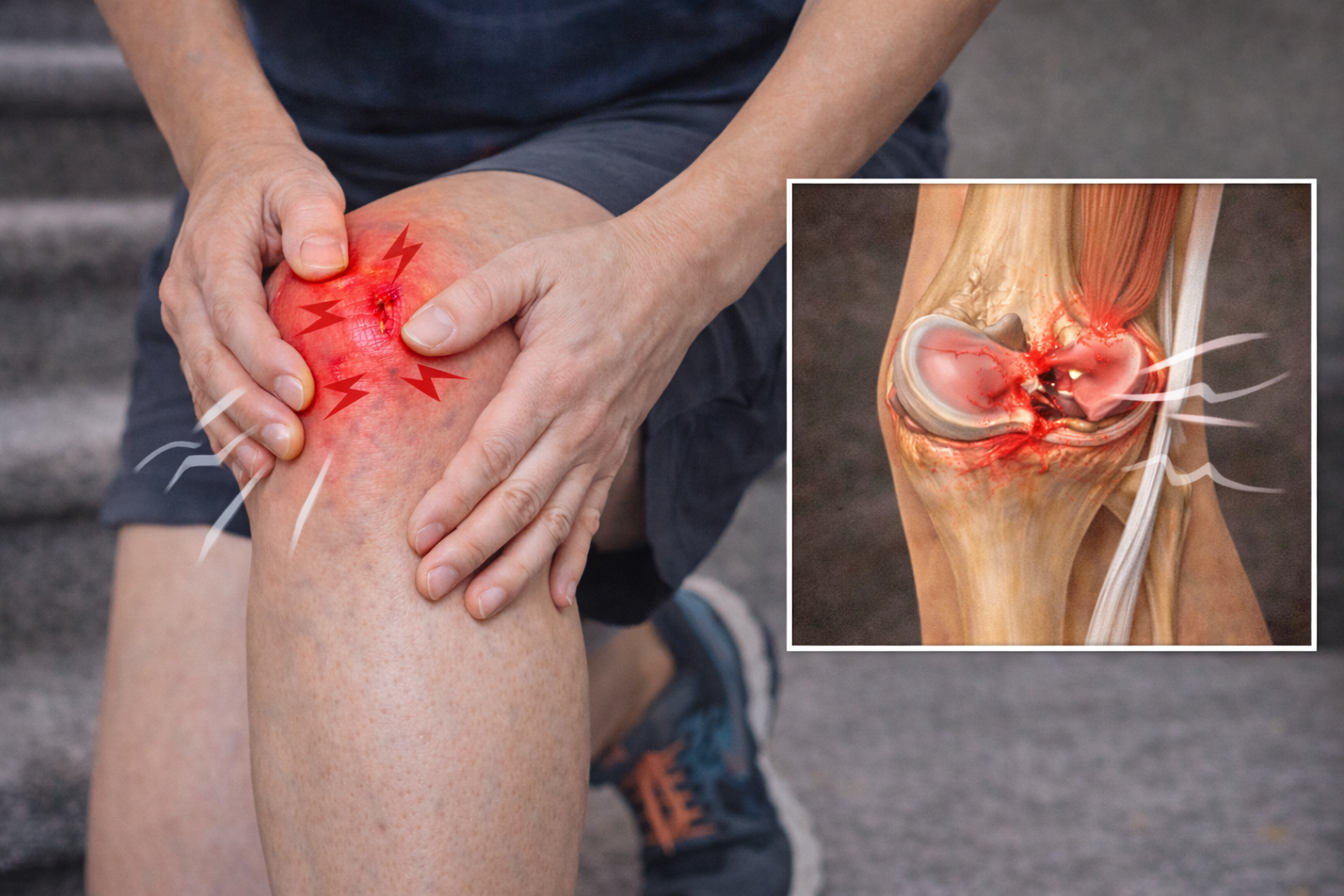
Two cushions inside your knee
Tap a name below to see where it is.
Simplified diagram; proportions are for showing position only.
The meniscus hates “bend and twist”
Switch between movements to compare.
Risk levels are an illustrative comparison based on “bending and twisting together is worst”.
How does your body warn you?
Tick what you’ve felt lately:
Marked swelling, or a true “lock” where the knee won’t straighten, usually means a more serious problem — stop running and get it checked.
Prevention before you run
Only three words:
- Strengthen thighs and glutesTrain the quadriceps, hamstrings and glutes so the knee stays aligned and stable as it bends and straightens.
- Dynamic warm-upBefore running, do leg raises, lunges and knee mobility moves to “lubricate” the joint before training.
- Avoid high-risk movesWhen tired, cut back on twisting squats, sharp turns and unstable surfaces. If it feels stuck, reduce load or rest.
Strength (weekly)
Dynamic warm-up
Avoid twisting
Tap each one, then head out.
The meniscus hates “bending and twisting”. Looking after stability matters far more than pushing through.
This page is general sports-health information and does not replace a diagnosis from a doctor or physiotherapist. If symptoms persist or get worse, see a medical professional.
🏁 Finished!
Added to your knowledge mileage. Where to next?
Next stop
 Read
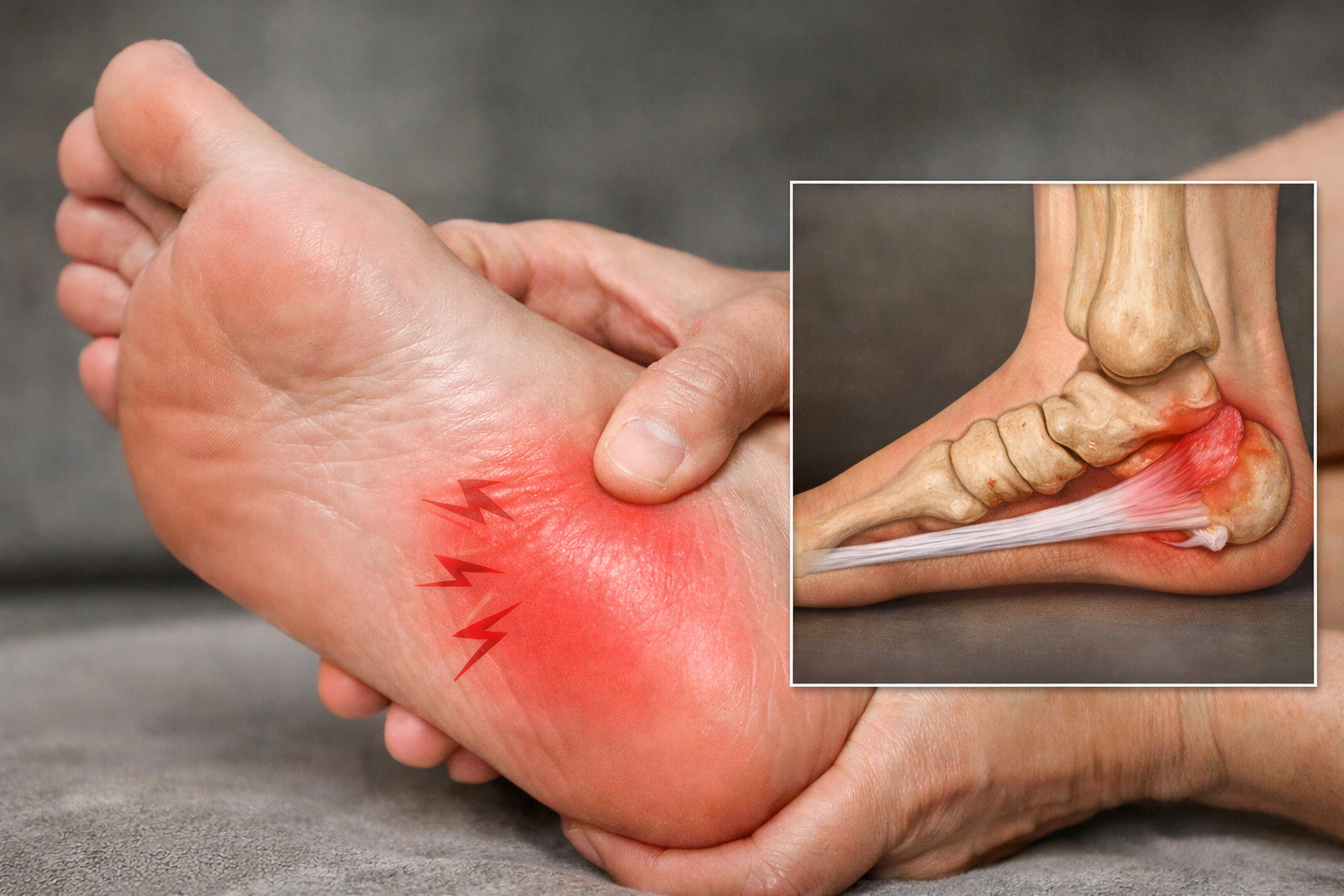
Plantar fasciitis
The plantar fascia is a ligament stretching from the heel to the forefoot, supporting the arch and absorbing impact dur…
 Read
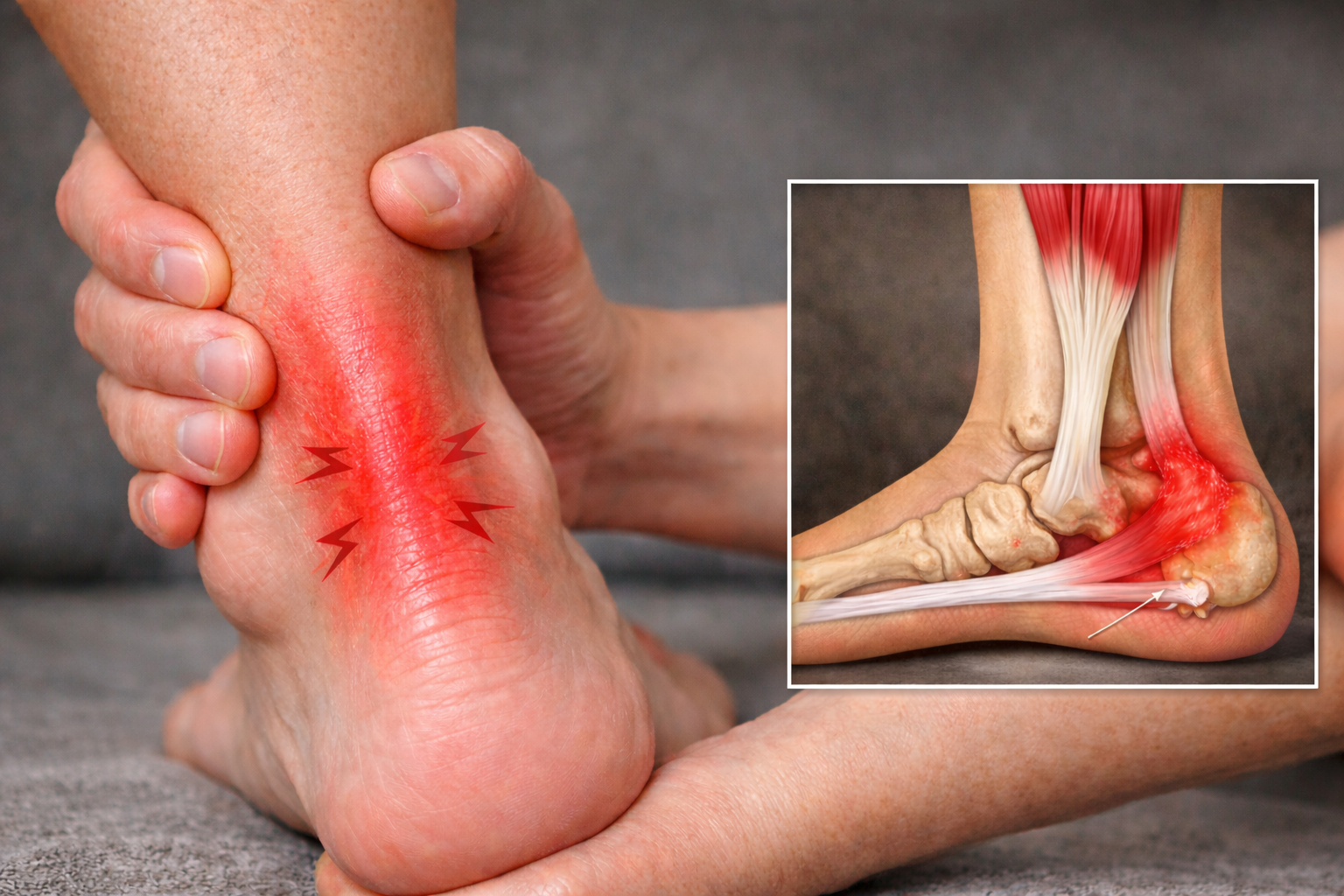
Achilles tendinitis
The Achilles tendon connects the calf muscles to the heel and acts as the key “power transmission belt” during running …
 Read
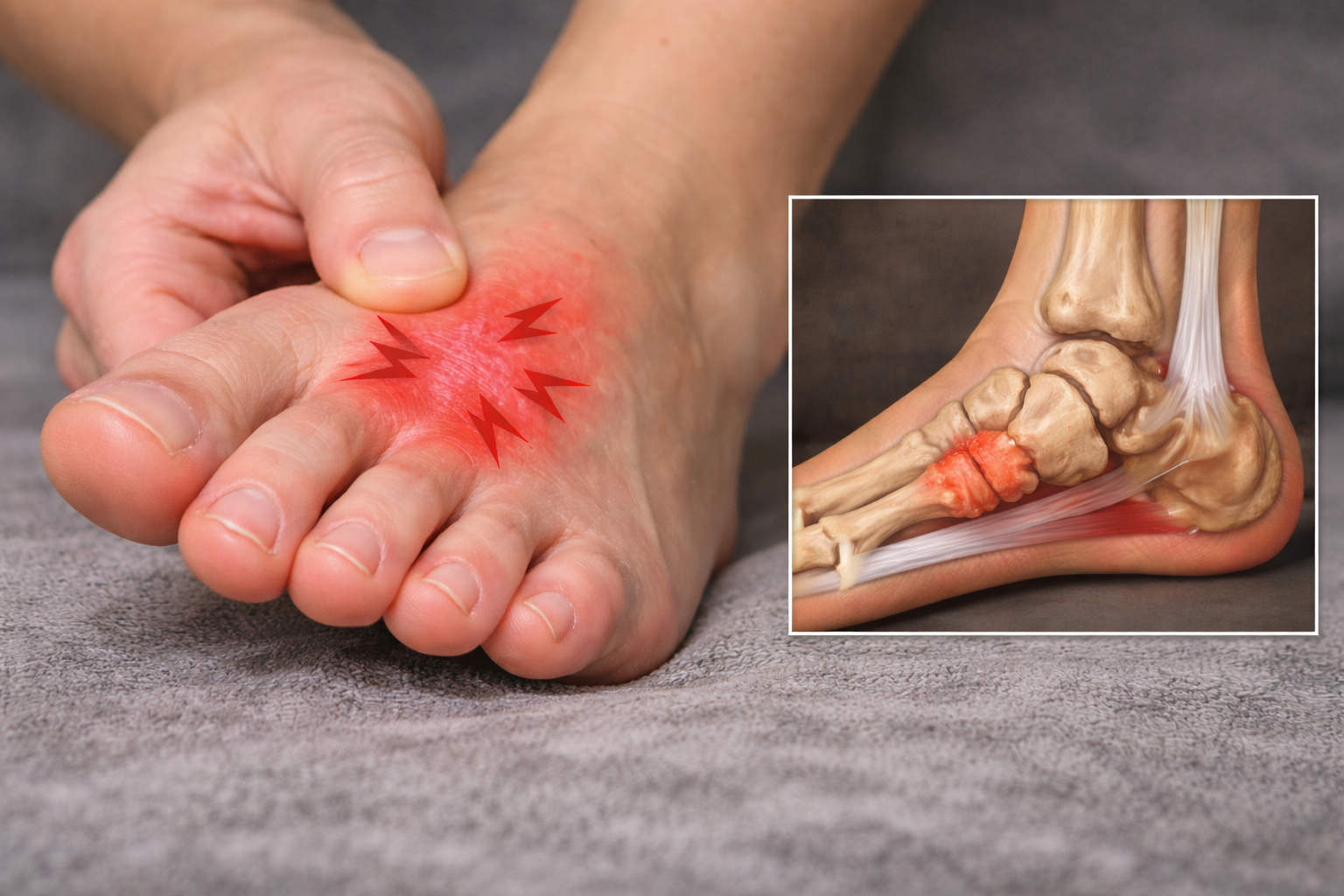
Metatarsal stress fracture
The metatarsals connect the toes to the midfoot and play a key role in bearing and transmitting body weight during runn…