Knee bursitis (localized swelling and warmth)
Common running injury terms
160 views
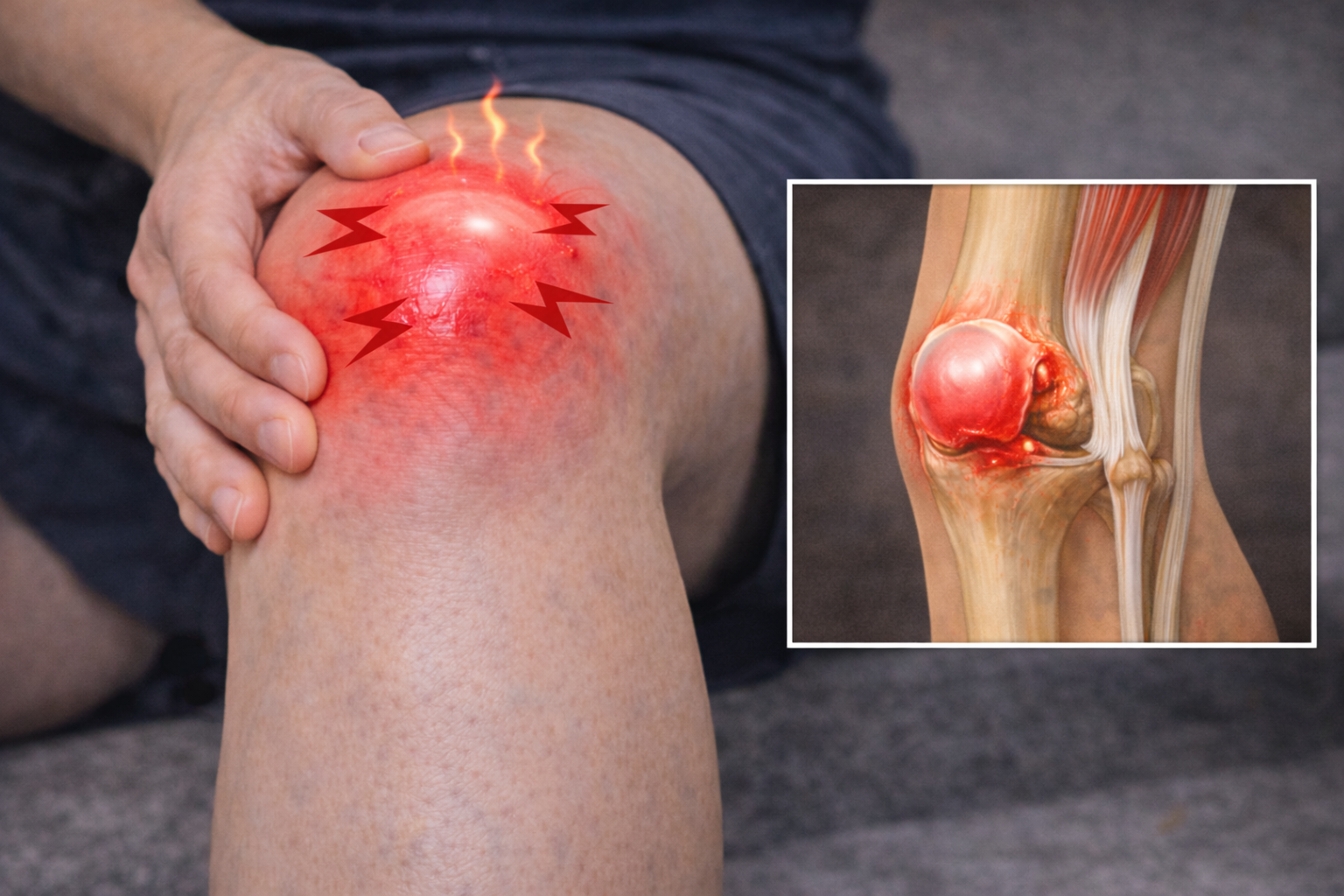
1. Origin of Knee Bursitis
Bursae are small fluid‑filled sacs around the joint, acting like “lubricating cushions” to reduce friction between tendons, skin, and bone. When the knee undergoes repeated friction or pressure (such as frequent kneeling, sudden mileage increase, repeated downhill running, or excessive training), or suffers direct impact, the bursae may become inflamed and swollen, leading to bursitis. In short, the structure meant to reduce friction gets overused and inflamed itself.
2. Warning Signs: How Does It Present? Typical features include:
-
Localized swelling and warmth at a fixed spot on the knee
-
Pain on pressure, discomfort when bending or kneeling
-
Feeling of “catching” or pressure in that area during activity
-
Visible bulge compared to the other knee
-
If redness, heat, pain, or fever accompany it, inflammation is stronger.
3. Prevention Before Exercise Key points: Reduce friction, Distribute pressure, Control load.
-
Avoid repeated pressure: Limit prolonged kneeling or repetitive knee stress; use knee pads or cushions if necessary.
-
Dynamic warm‑up: Mobilize tissues around the knee before running to reduce local friction.
-
Control training volume: Avoid sudden mileage spikes or excessive downhill; rest or reduce load if swelling or warmth appears.
Summary: Bursitis won’t heal just by “pushing through”—it’s a sign that “this spot is being rubbed too much.” Lower the load early, recovery will be faster.