Achilles tendinitis
Common running injury terms
324 views
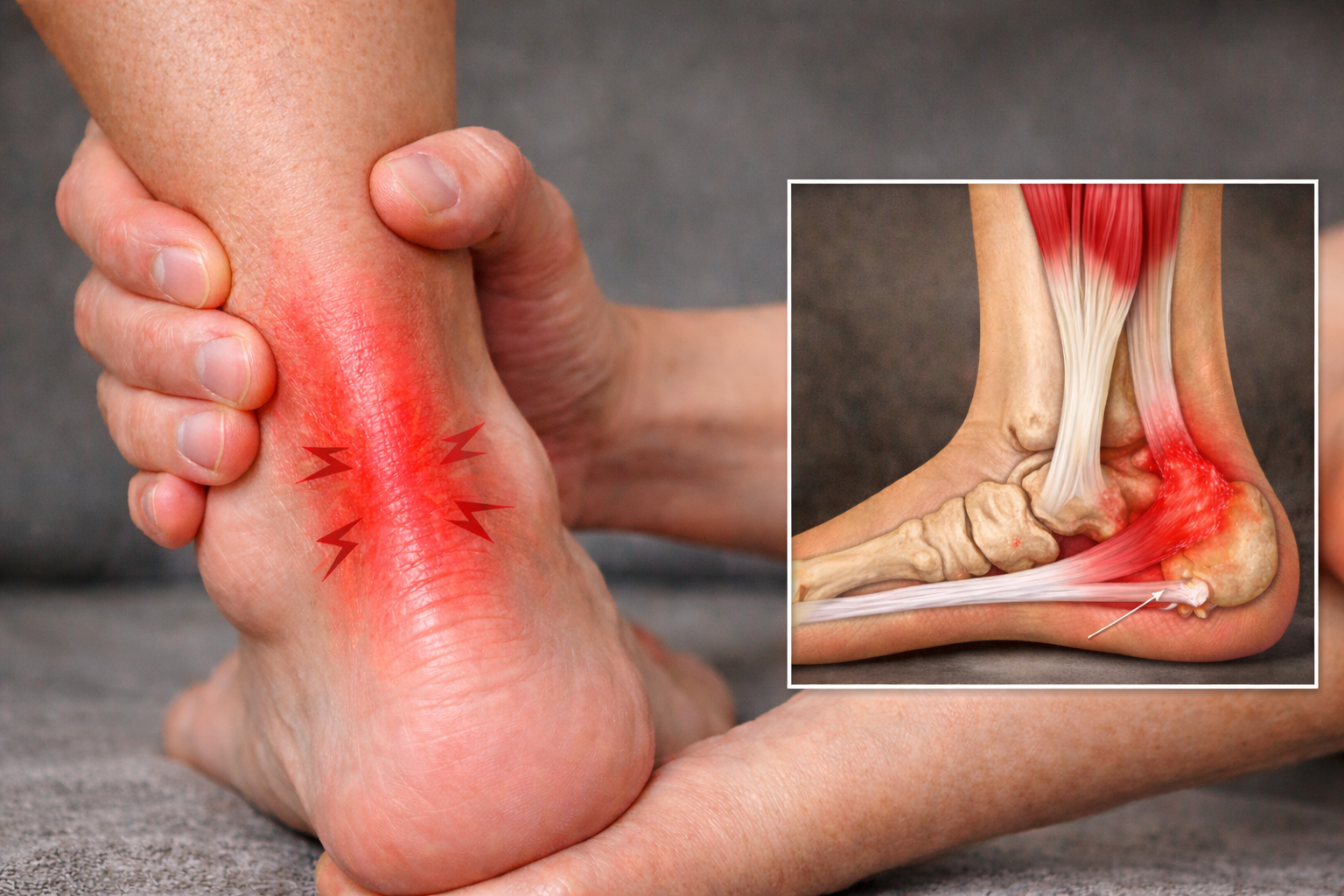
1. Origin of Achilles Tendinitis
The Achilles tendon connects the calf muscles to the heel and acts as the key “power transmission belt” during running and jumping. When mileage or intensity suddenly increases, frequent hill runs or speed training are performed, shoe drop changes too quickly (e.g., switching to low‑drop or barefoot styles), or the calves remain tight for long periods, the tendon undergoes excessive repetitive strain, leading to micro‑damage and inflammation. Most cases are not a single acute injury but a chronic issue caused by long‑term overuse.
2. Warning Signs: How Does the Body Remind You? Common signals include:
-
Stiffness or soreness above the heel before running or upon waking
-
Slight improvement after warming up, but tightness and pain return post‑run
-
Clear tenderness when pressing the mid‑lower Achilles tendon
-
In severe cases, sharp pain or pulling sensation while running or climbing stairs These signs indicate the tendon is already “working under overload.”
3. Prevention Before Exercise Key points: Relax, Activate, Progress Gradually.
-
Relax: Loosen the calves (gastrocnemius, soleus) before running with foam rolling or massage to reduce tendon stress.
-
Activate: Perform ankle mobility, light calf raises, and elastic stretches to gradually engage the tendon.
-
Progress Gradually: Avoid sudden mileage or intensity increases; allow adaptation when changing shoe type or drop; reduce load or switch to easy runs if discomfort arises.
Summary: The Achilles tendon struggles with “too much too soon,” not with gradual strengthening. Give it time to adapt, and problems can usually be avoided.