Lower back pain (core instability)
Common running injury terms
307 views
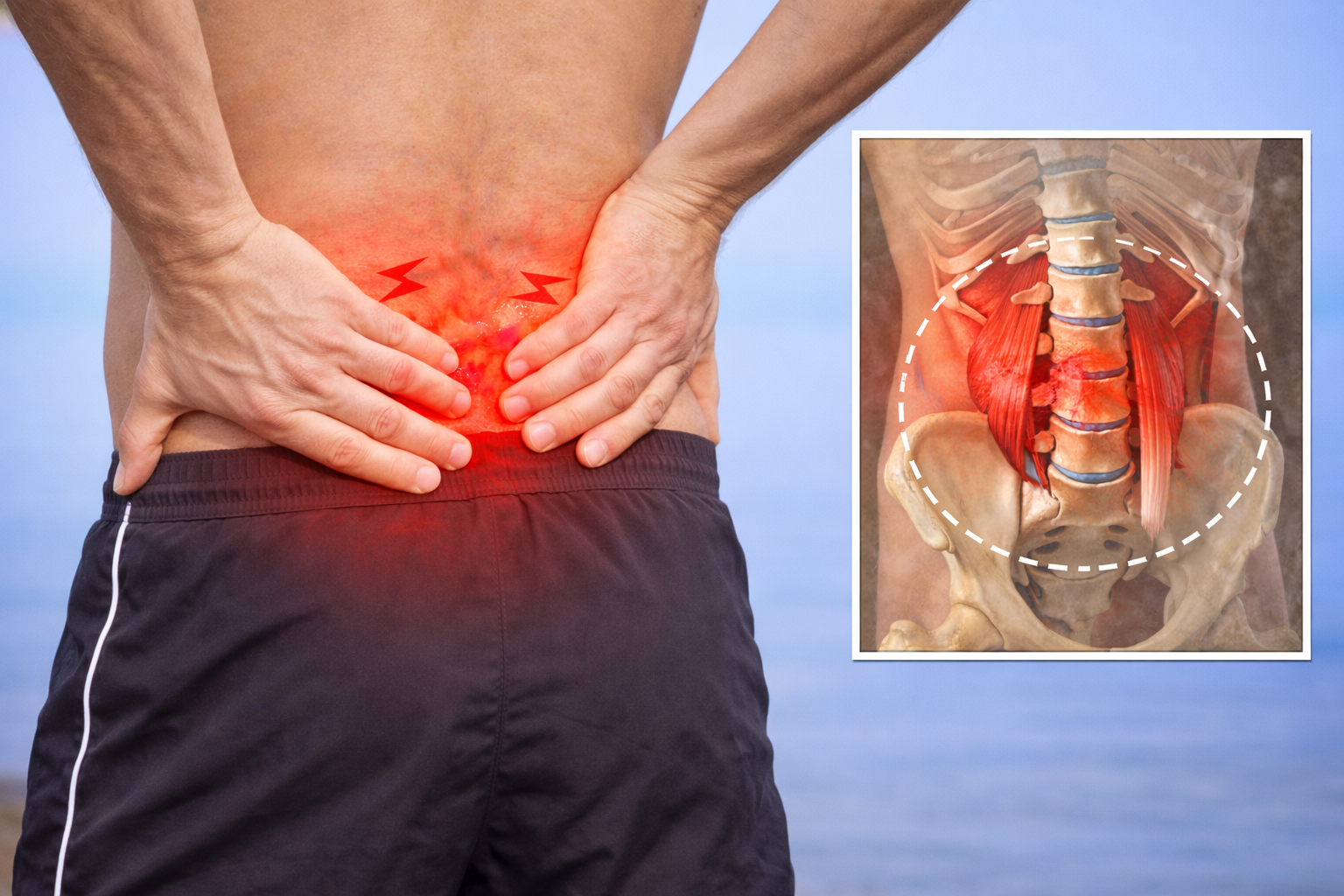
1. Origin of Piriformis Syndrome
The piriformis muscle lies deep in the buttock, assisting hip external rotation and pelvic stability. The sciatic nerve passes nearby. When running mileage or intensity suddenly increases, prolonged sitting occurs, hip and pelvic stability is insufficient, or running form shows excessive inward collapse and pelvic sway, the piriformis can become tight or inflamed. This may compress the sciatic nerve, producing symptoms similar to sciatica. In short, the deep gluteal muscle gets overworked and presses on a nerve that shouldn’t be pressed.
2. Warning Signs: How Does It Present?
-
Deep buttock soreness or stabbing pain, sometimes radiating down the back of the thigh
-
Discomfort when standing up after sitting, easing slightly after walking
-
Feeling of one side of the buttock being “stuck” or weak during running
-
Clear tenderness at a deep point in the buttock, sometimes with radiating sensation Often mistaken for back or leg problems, but the source is deep in the buttock.
3. Prevention Before Exercise Key points: Relax, Stabilize, Reduce compensation.
-
Relax deep glutes: Use a ball or foam roller to gently release deep buttock muscles, especially the tight side.
-
Activate hip stabilizers: Do clamshells, side leg raises to engage glutes and reduce piriformis over‑compensation.
-
Avoid sudden training after sitting: Mobilize hips and pelvis before running to lower sudden stress risk.
Summary: Piriformis syndrome isn’t the nerve failing first—it’s the deep glute muscle getting overworked. Care for relaxation and stability, and many sciatica‑like pains will calm down.