Patellofemoral pain syndrome (Runner’s knee)
Common running injury terms
150 views
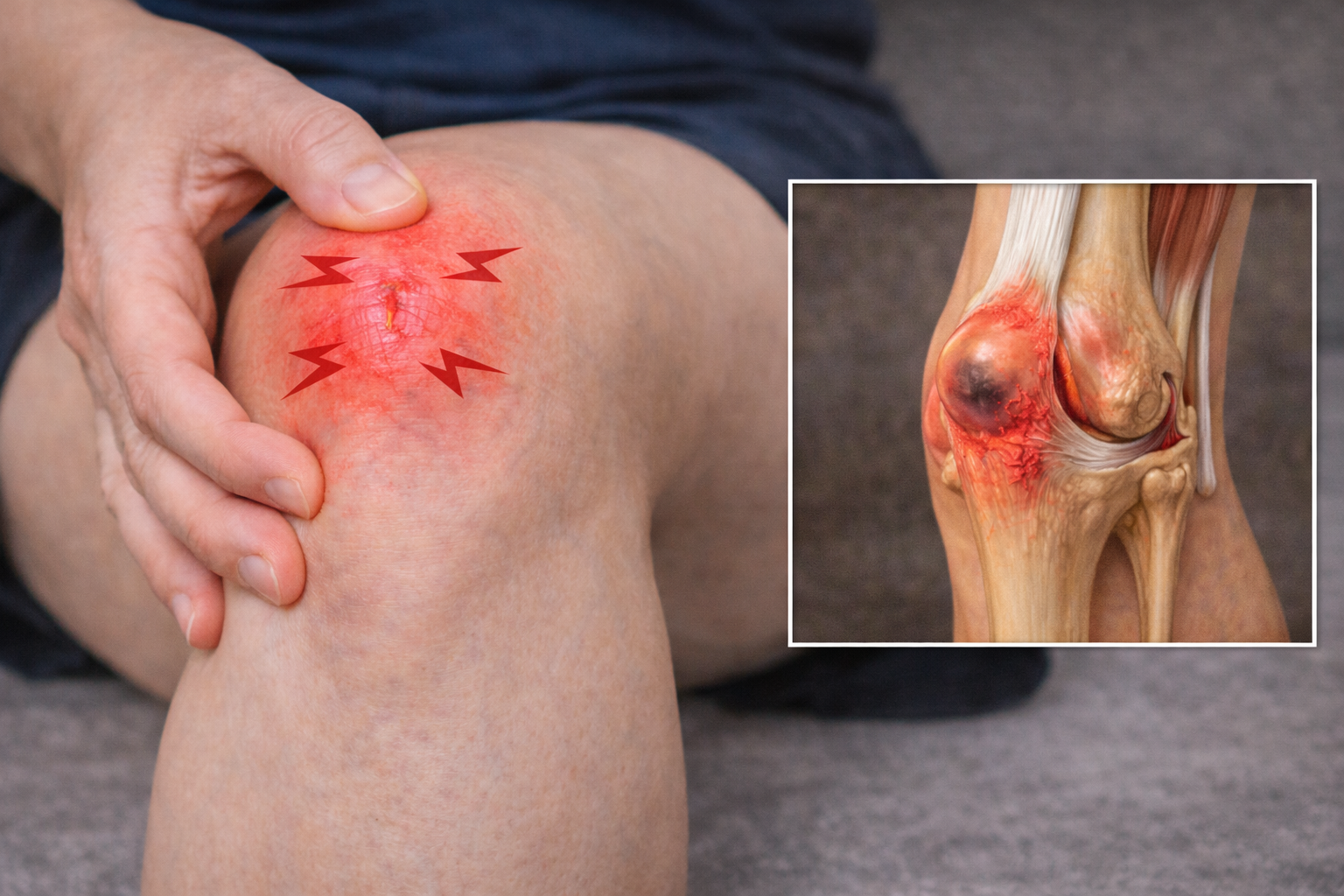
1. Origin of Patellofemoral Pain Syndrome (Runner’s Knee)
Patellofemoral pain syndrome, often called “runner’s knee,” occurs when the patella does not glide smoothly along the femur or surrounding tissues experience imbalanced stress, leading to irritation and pain at the front of the knee during repeated bending and extending. Common causes include sudden increases in mileage or intensity, excessive downhill or stair training, muscle imbalance between the front and back of the thigh, weak hip and core stability, and issues with shoe support or running form. In short, knee pain arises from uneven load distribution accumulated over time.
2. Warning Signs: How Does It Show Up? Typical signs include:
-
Dull ache or soreness at the front of the knee or around the patella
-
More noticeable when running downhill, going downstairs, or standing up after prolonged sitting
-
Discomfort at the start of a run or after some time running
-
Tenderness when pressing around the patella, though swelling is not always present This pain is usually “dull, not sharp,” and recurs with activity.
3. Prevention Before Exercise Key points: Alignment, Stability, Gradual progression.
-
Strengthen stabilizers: Train glutes, thighs, and core muscles to improve knee alignment during running.
-
Dynamic warm‑up: Do hip openers, leg raises, lunges before running to set correct movement patterns.
-
Control training load: Avoid sudden increases in mileage, speed, or downhill training; replace worn‑out shoes lacking support.
Summary: Runner’s knee is not because the knee is weak—it’s because the “hip‑knee‑foot” stability chain isn’t well maintained. Strengthen the upstream, and the knee will feel much lighter.