Foot Blisters
Common running injury terms
1,153 views
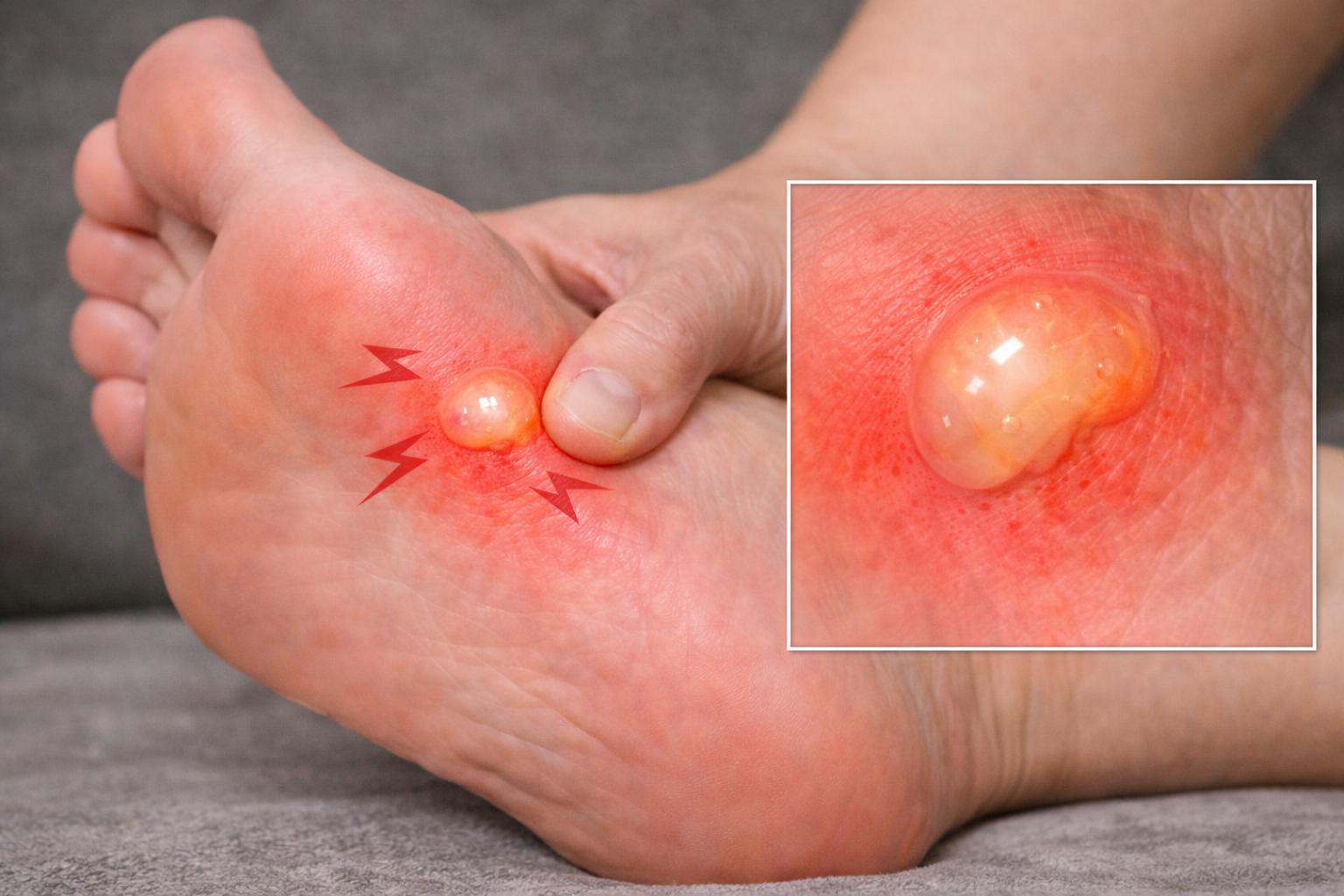
1. Origin of Foot Blisters
Foot blisters are mainly caused by friction combined with moisture. When the foot repeatedly slides inside the shoe, socks or shoes don’t fit properly, or sweat makes the skin soft, shear forces occur between the skin layers. Fluid accumulates and forms a blister. Increased mileage, long runs, new shoes not yet broken in, downhill running, or heavy forefoot push‑off all increase the risk. In short, blisters are the skin’s protective response to excessive friction.
2. Warning Signs: When to Be Alert Common signs include:
-
Burning or stinging friction sensation on a specific skin area
-
Increasing discomfort at that spot while walking or running
-
Localized swelling or translucent/whitish skin after removing shoes
-
Severe cases affect gait and may turn into open wounds Often, a clear “hot spot” sensation appears before the blister actually forms.
3. Prevention Before Exercise Key principle: Reduce friction, keep dry.
-
Proper shoes & socks: Wear well‑fitting shoes and moisture‑wicking socks; avoid cotton that softens when wet.
-
Prevent friction: Apply sports tape or blister pads to vulnerable spots to “outsource” friction.
-
Stay dry: Use anti‑friction balm or powder before running; change socks during long runs if needed.
-
Gradual break‑in: Don’t take new shoes straight to long runs; start with short distances to adapt.
Summary: Blisters are not part of training—they’re just a sign of poor friction management. 😄