
Common running injury terms
Back to Basic Knowledge-
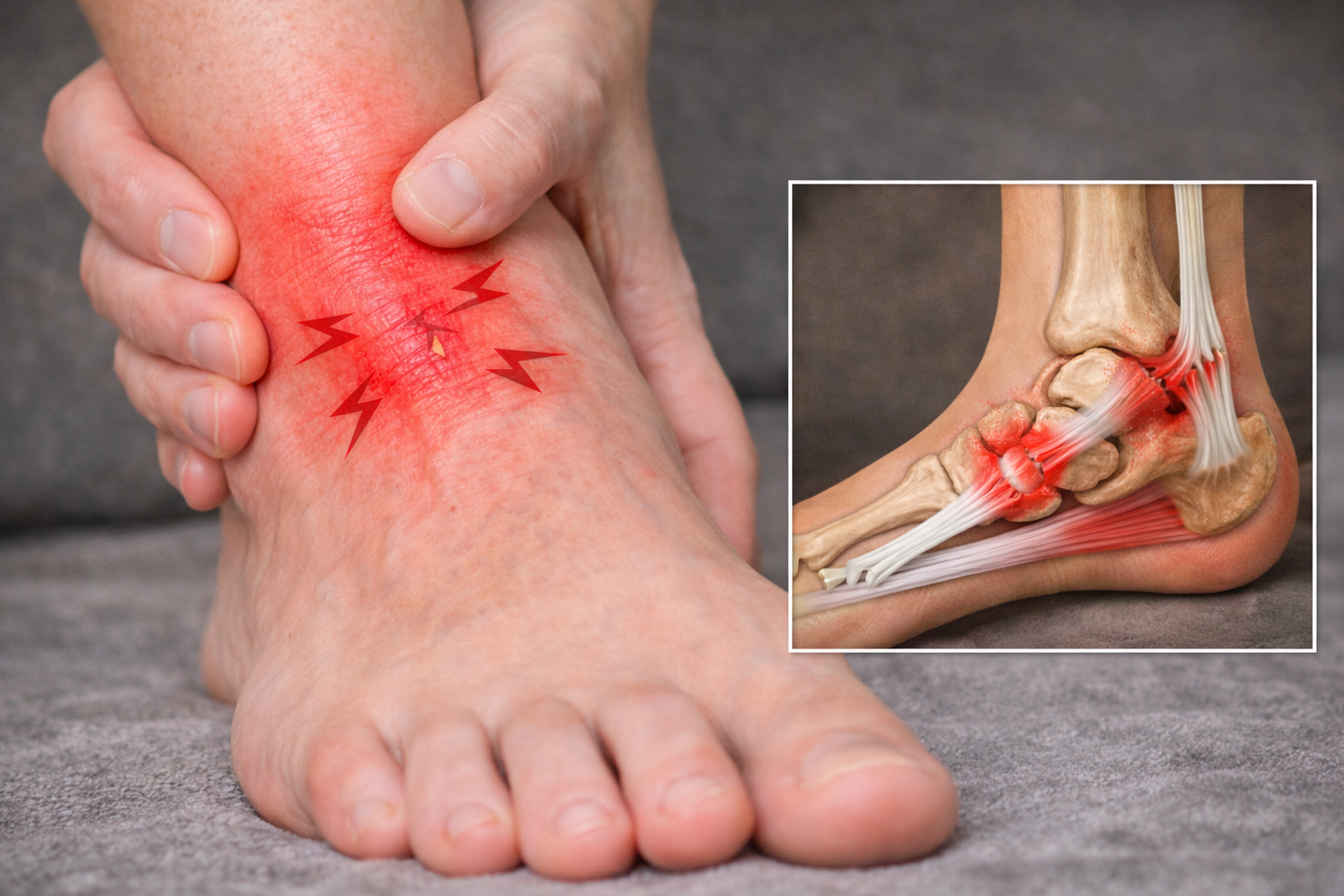
Ankle Sprain
Ankle sprains often occur when landing is unstable, stepping on uneven ground, or when the foot excessively inverts or everts during turns, causing ligaments t…
180 -
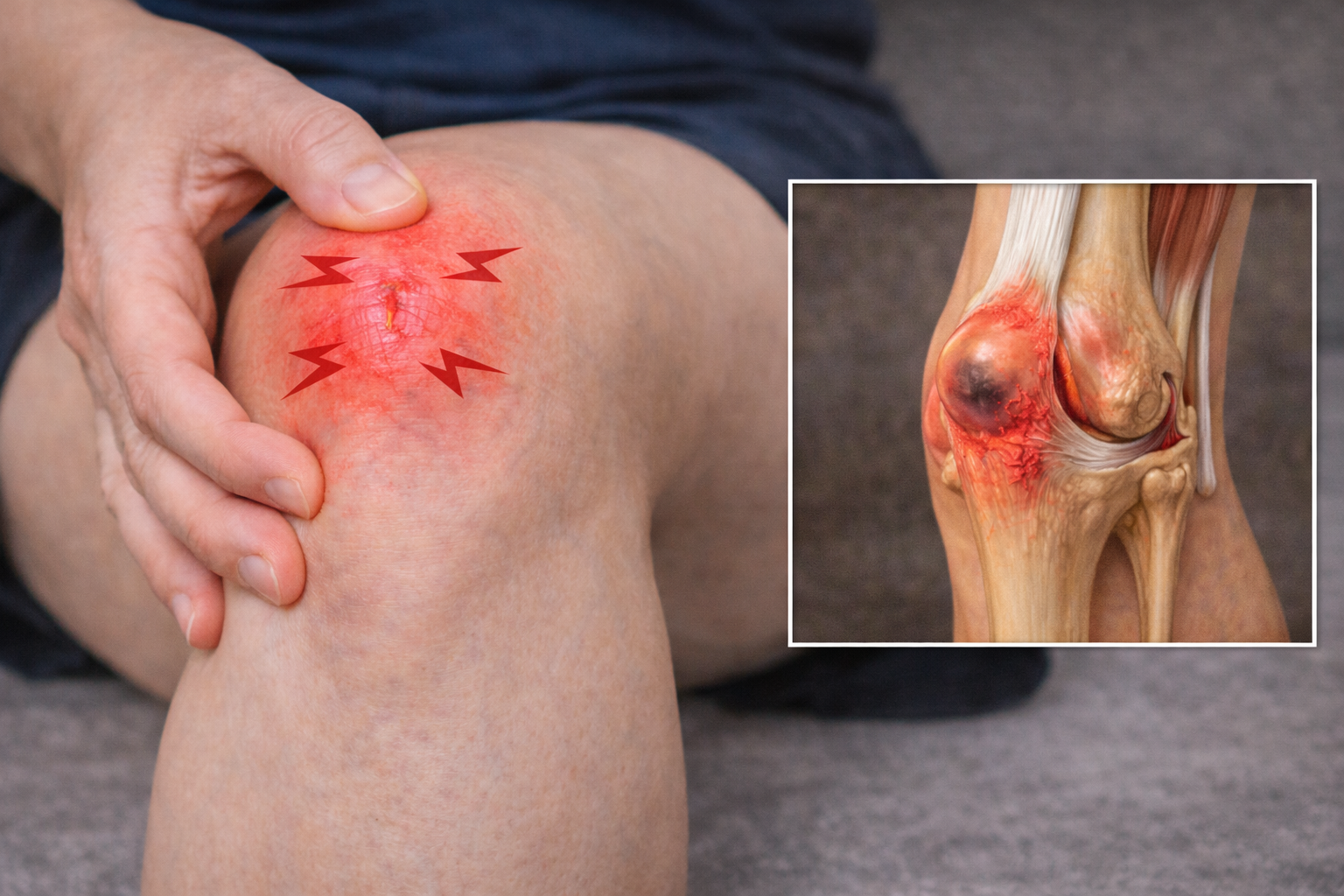
Patellofemoral pain syndrome (Runner’s knee)
Patellofemoral pain syndrome, often called “runner’s knee,” occurs when the patella does not glide smoothly along the femur or surrounding tissues experience i…
149 -
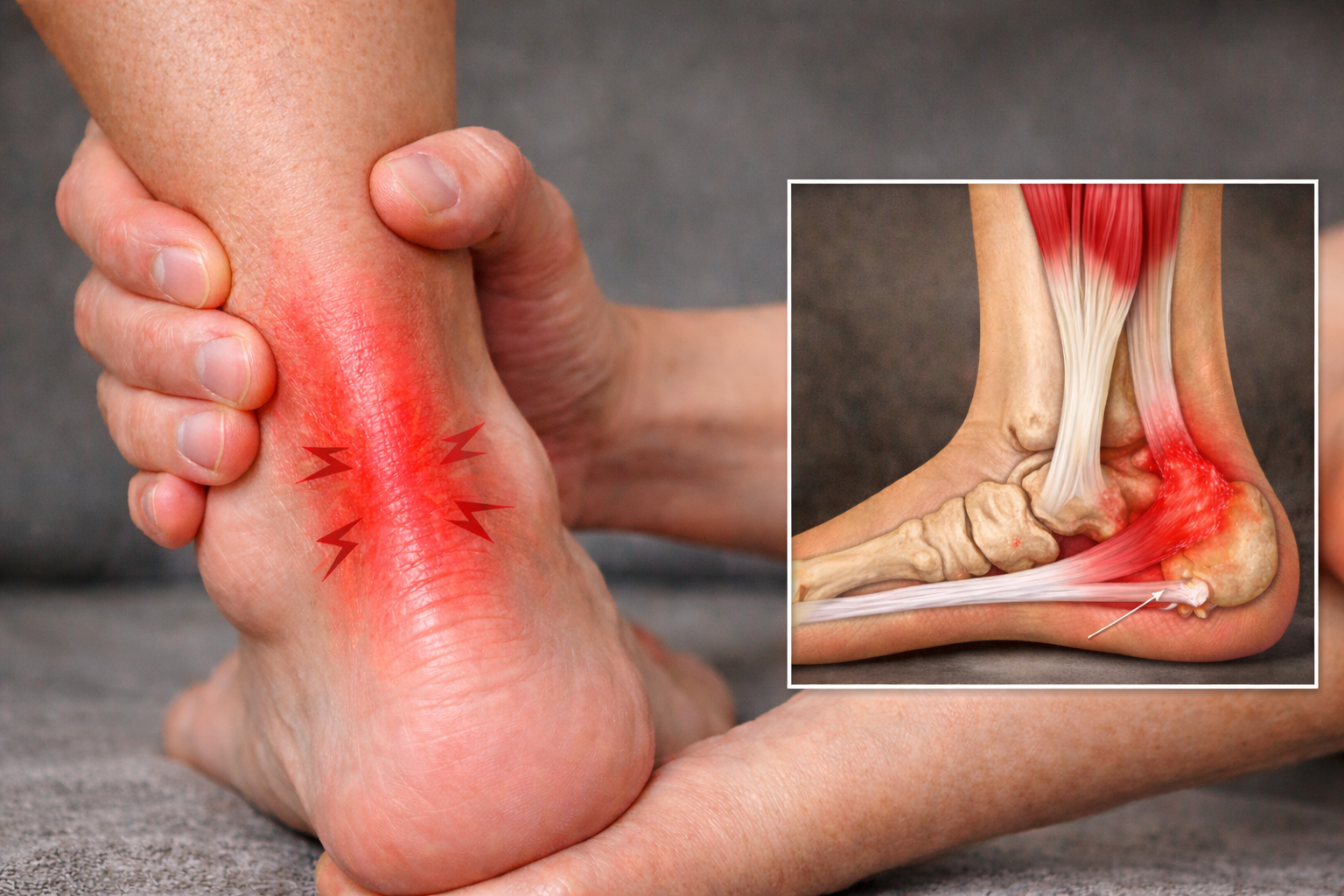
Achilles tendinitis
The Achilles tendon connects the calf muscles to the heel and acts as the key “power transmission belt” during running and jumping. When mileage or intensity s…
143 -
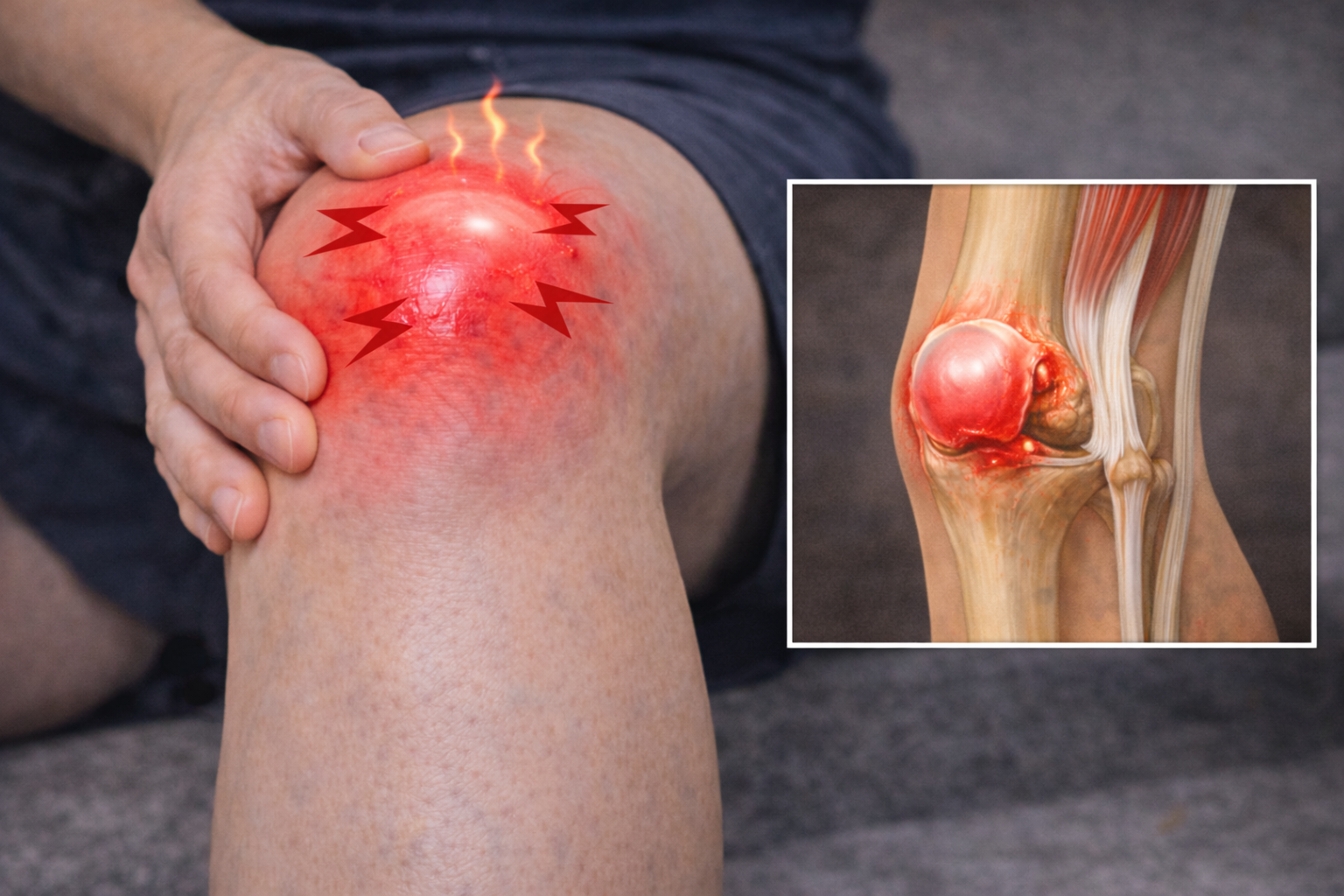
Knee bursitis (localized swelling and warmth)
Bursae are small fluid‑filled sacs around the joint, acting like “lubricating cushions” to reduce friction between tendons, skin, and bone. When the knee under…
159 -
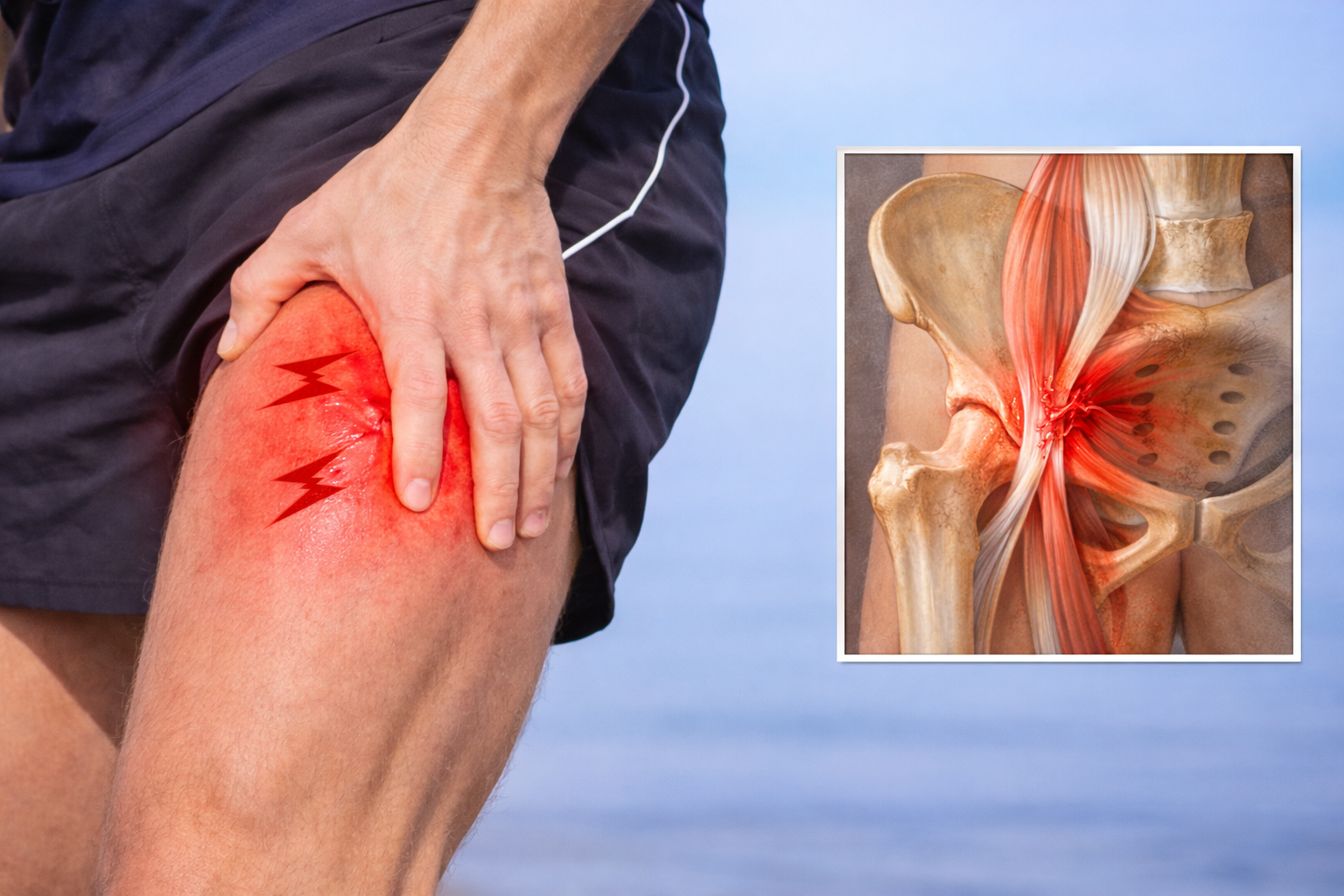
Hip flexor strain
The hip flexor muscles (mainly including the iliopsoas) are responsible for lifting the thigh forward, playing a key role in leg swing and stride frequency dur…
235 -
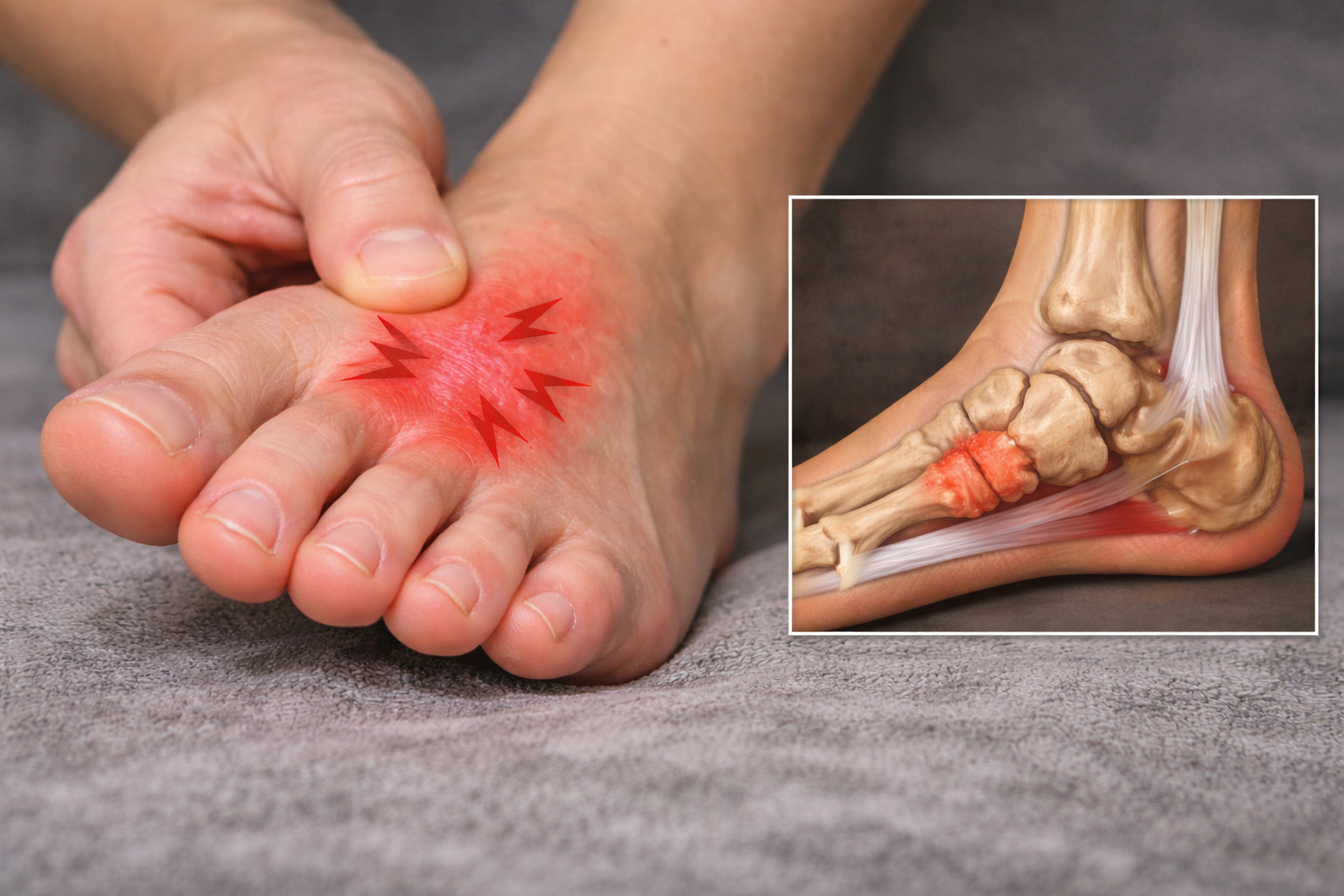
Metatarsal stress fracture
The metatarsals connect the toes to the midfoot and play a key role in bearing and transmitting body weight during running and push‑off. When mileage or intens…
232 -
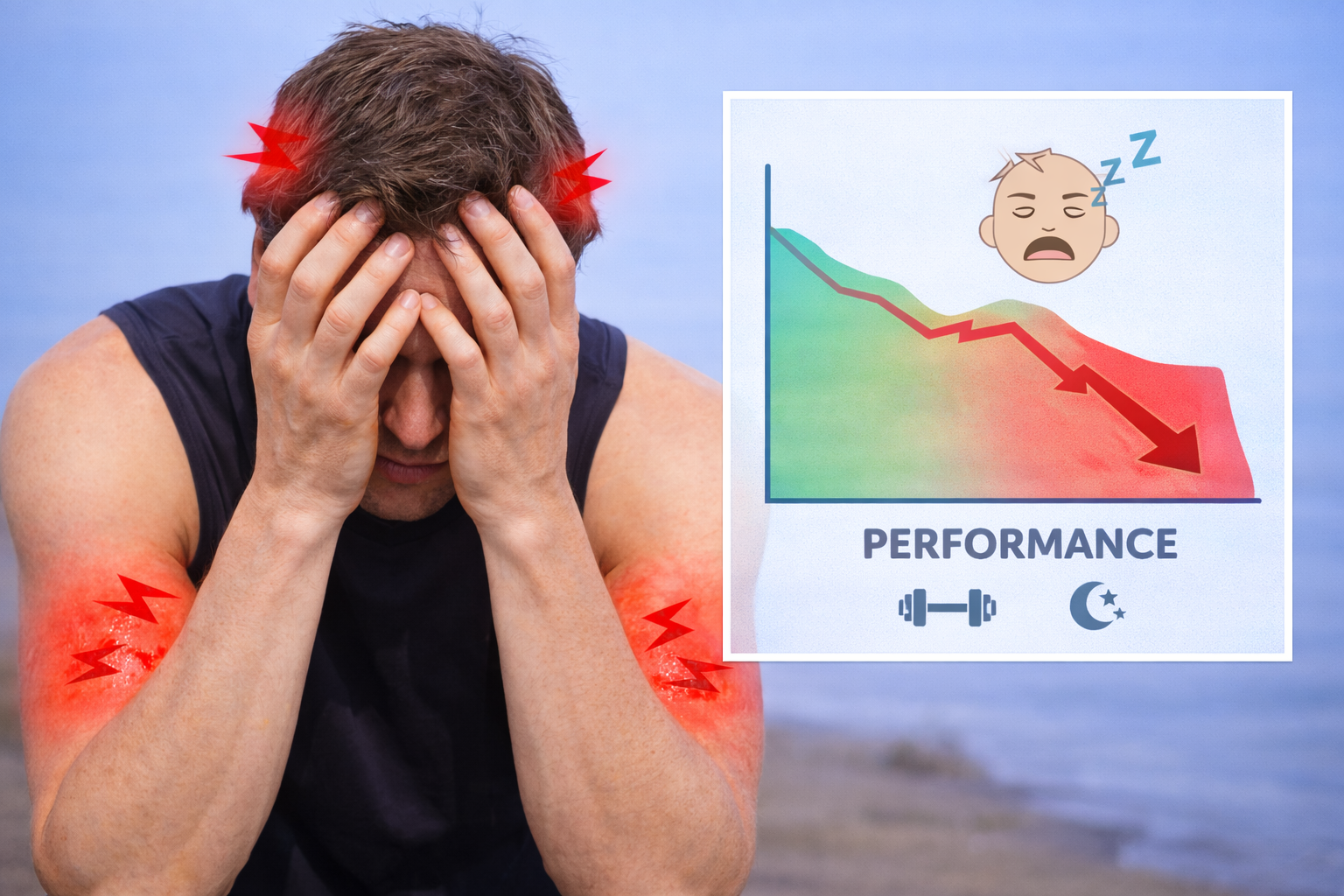
Overtraining syndrome (fatigue, poor sleep, performance decline)
Overtraining syndrome is not caused by a single event, but by long‑term training volume or intensity exceeding the body’s recovery capacity. When mileage remai…
167 -
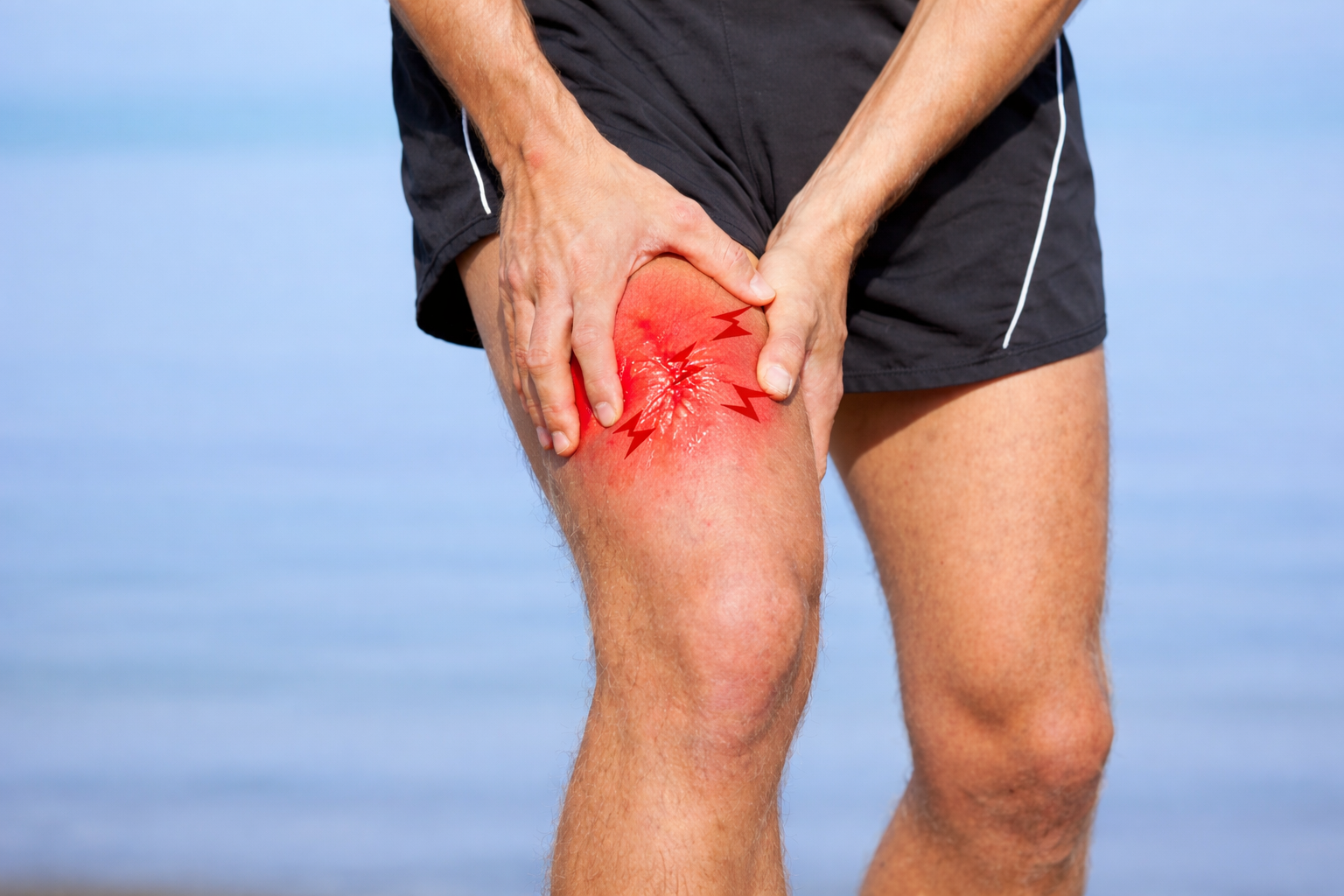
Quadriceps strain
The quadriceps, located at the front of the thigh, are responsible for extending the knee and controlling deceleration during downhill running. When sudden acc…
1,725 -
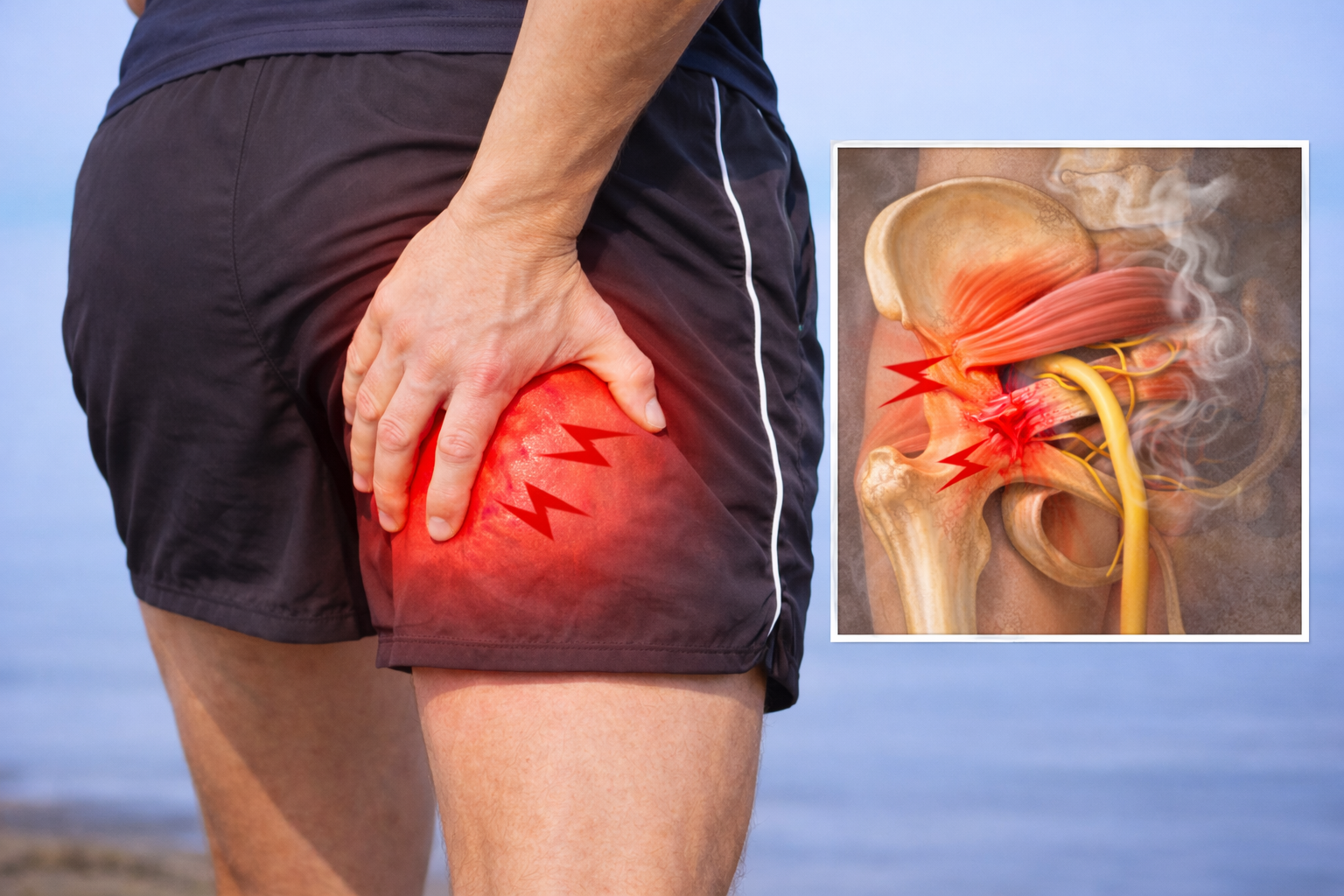
Piriformis syndrome (similar to sciatica)
The piriformis muscle lies deep in the buttock, helping hip external rotation and pelvic stability. The sciatic nerve passes nearby. When mileage or intensity …
145 -
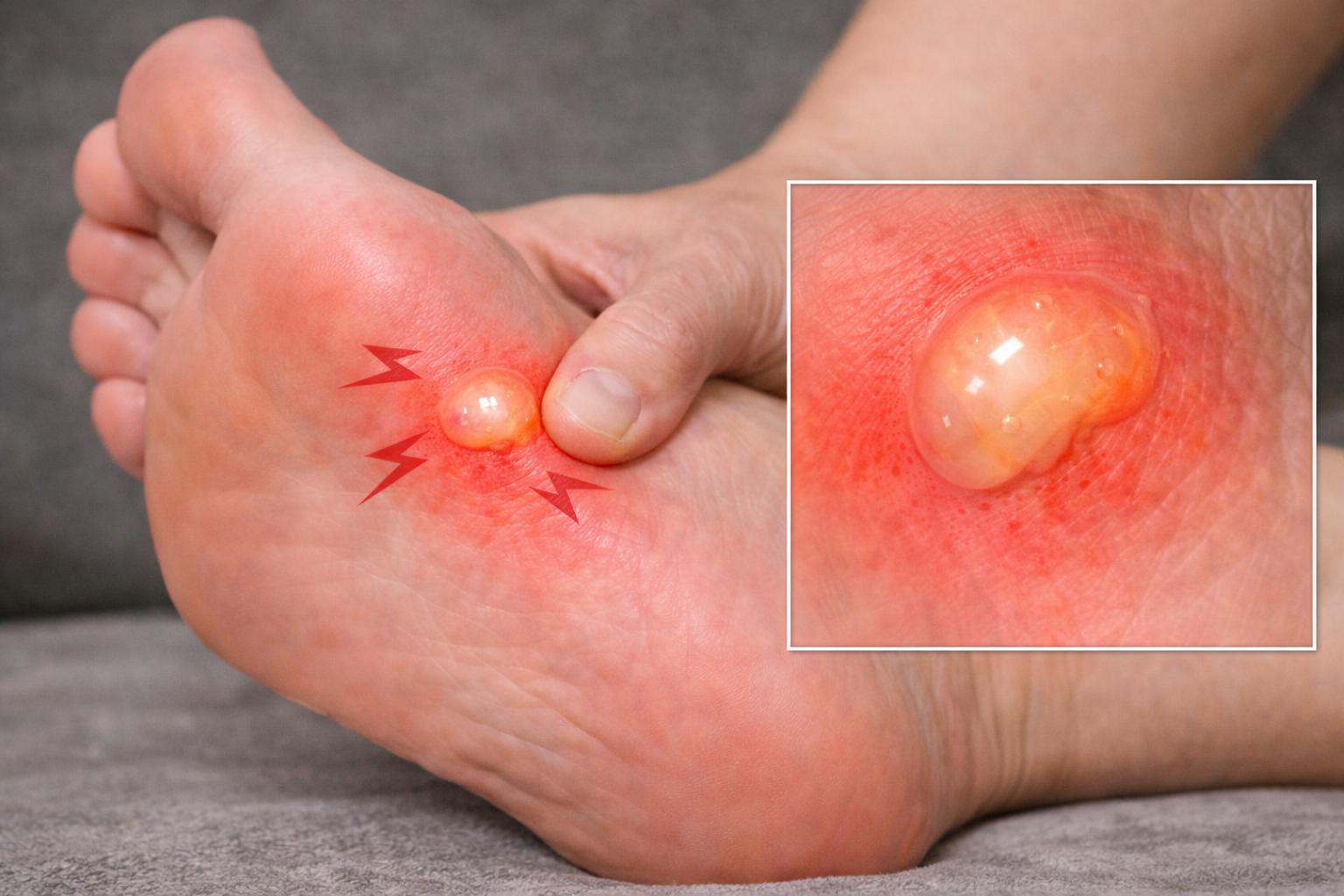
Foot Blisters
Foot blisters are mainly caused by friction combined with moisture. When the foot repeatedly slides inside the shoe, socks or shoes don’t fit properly, or swea…
146 -
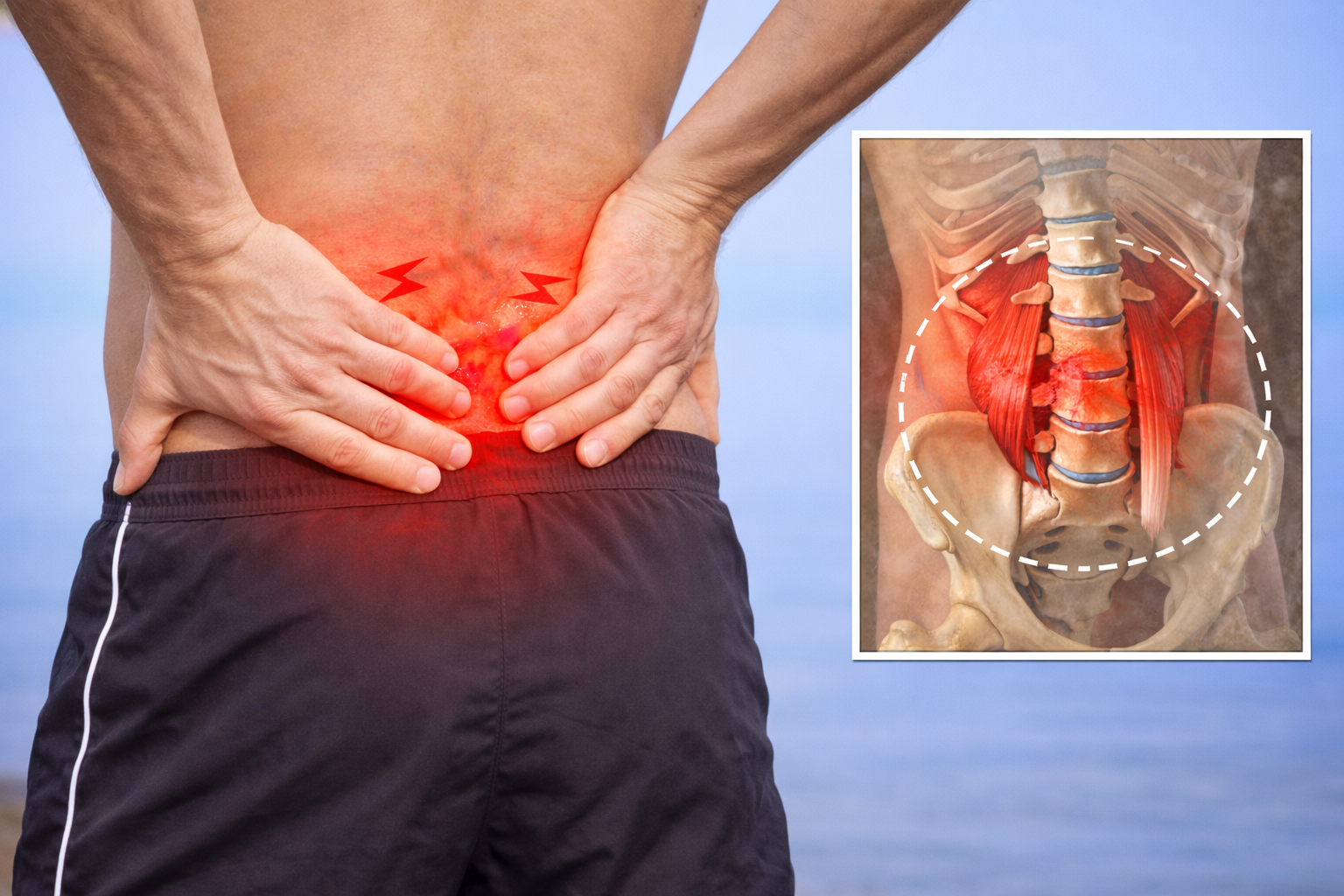
Lower back pain (core instability)
The piriformis muscle lies deep in the buttock, assisting hip external rotation and pelvic stability. The sciatic nerve passes nearby. When running mileage or …
136 -
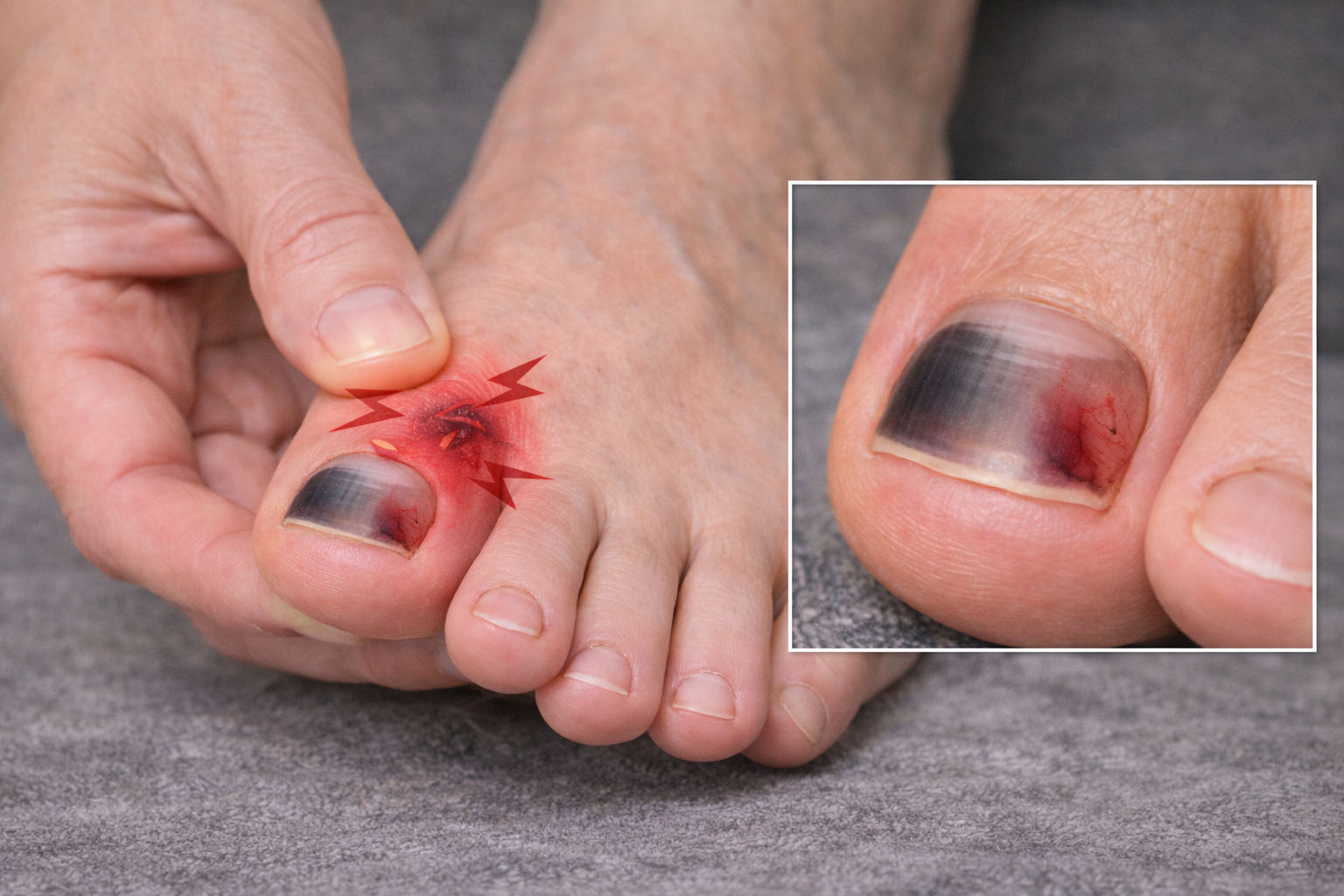
Black toenail
A common runner’s issue, “black toenail,” is usually caused by bleeding under the nail. During long runs, if the toe box is too tight or the foot slides back a…
153 -
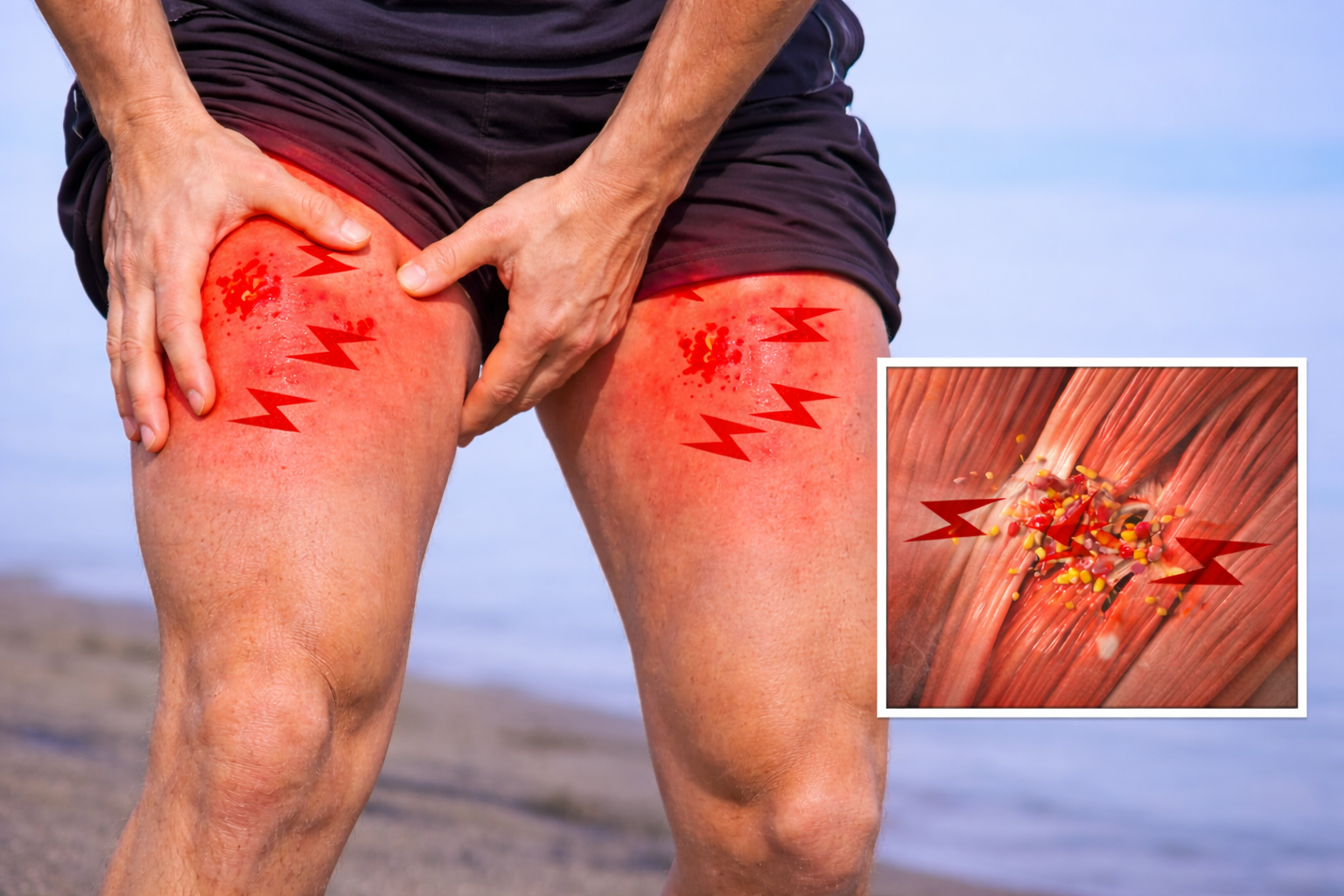
Delayed Onset Muscle Soreness (DOMS, beginners or rapid increase in training load)
DOMS usually appears 24–72 hours after exercise. It occurs because unfamiliar or high‑intensity workouts cause numerous micro‑tears in muscle fibers and trigge…
272 -
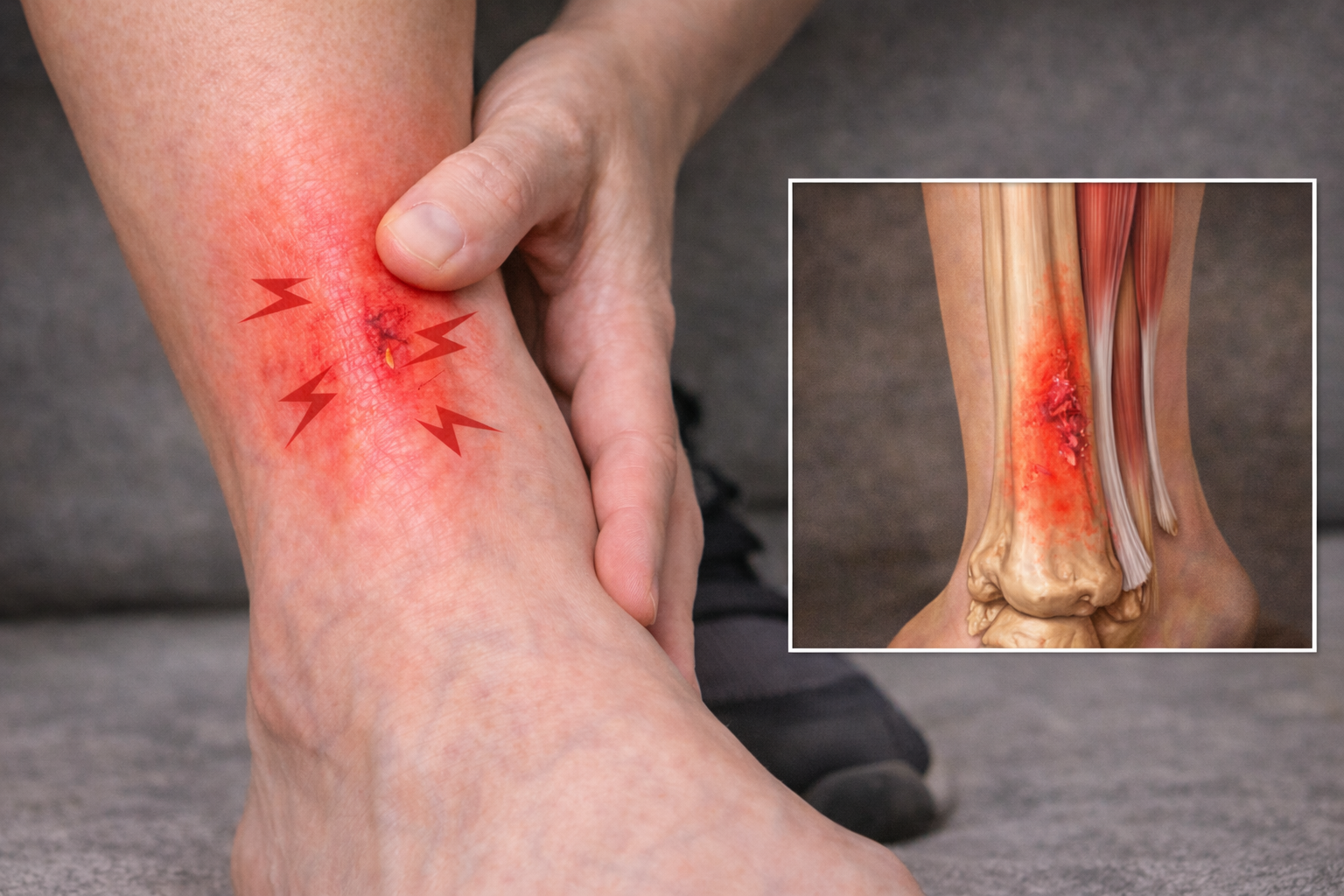
Medial tibial stress syndrome (MTSS)
Medial tibial stress syndrome (commonly called shin splints) is an overuse injury caused by repeated pulling and impact on the inner calf muscles and periosteu…
162 -
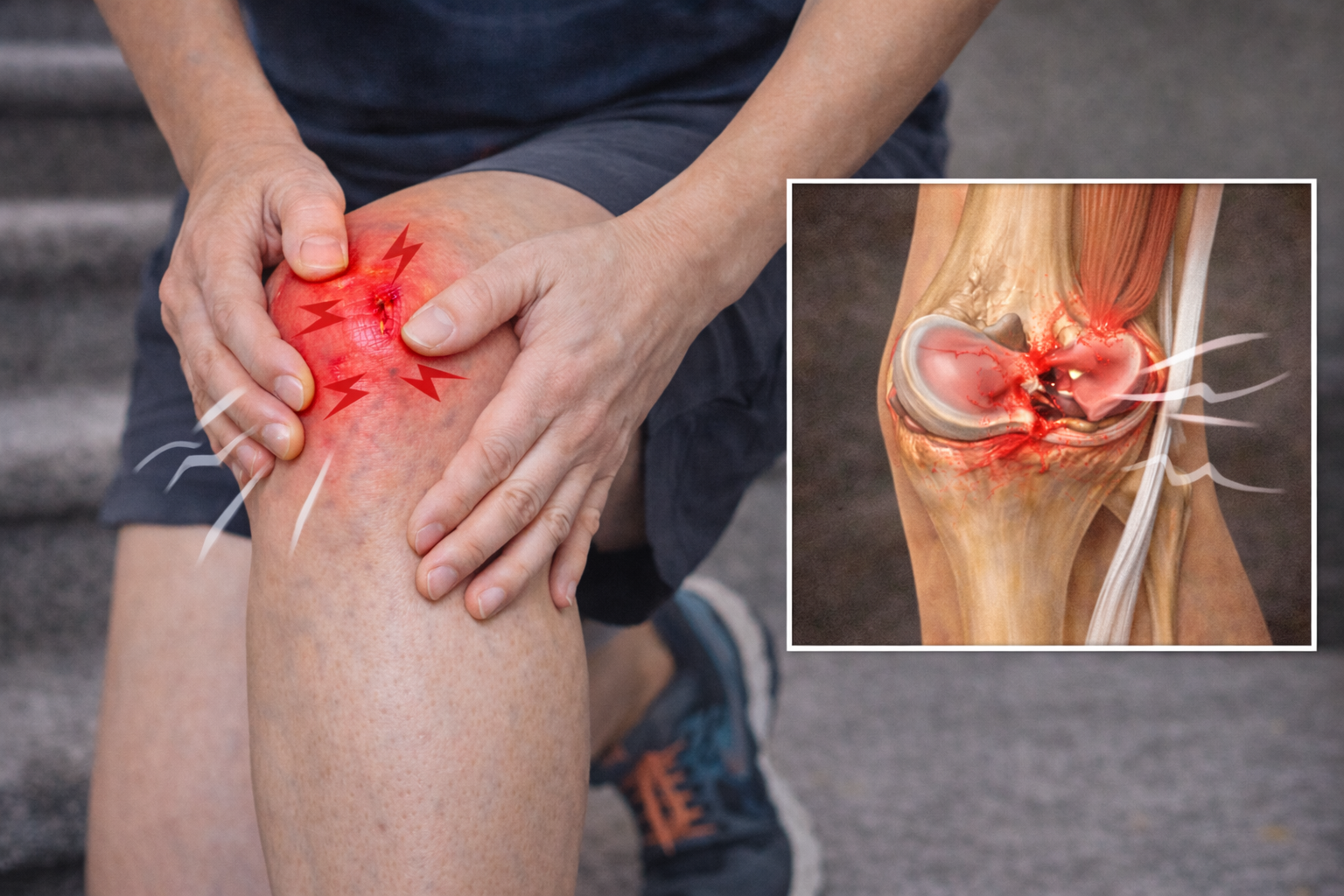
Meniscus discomfort (catching or stiffness when squatting or going up/down stairs)
The meniscus is located inside the knee joint, acting like a cushion to distribute pressure, enhance stability, and absorb shock. When the knee bears load in a…
181 -
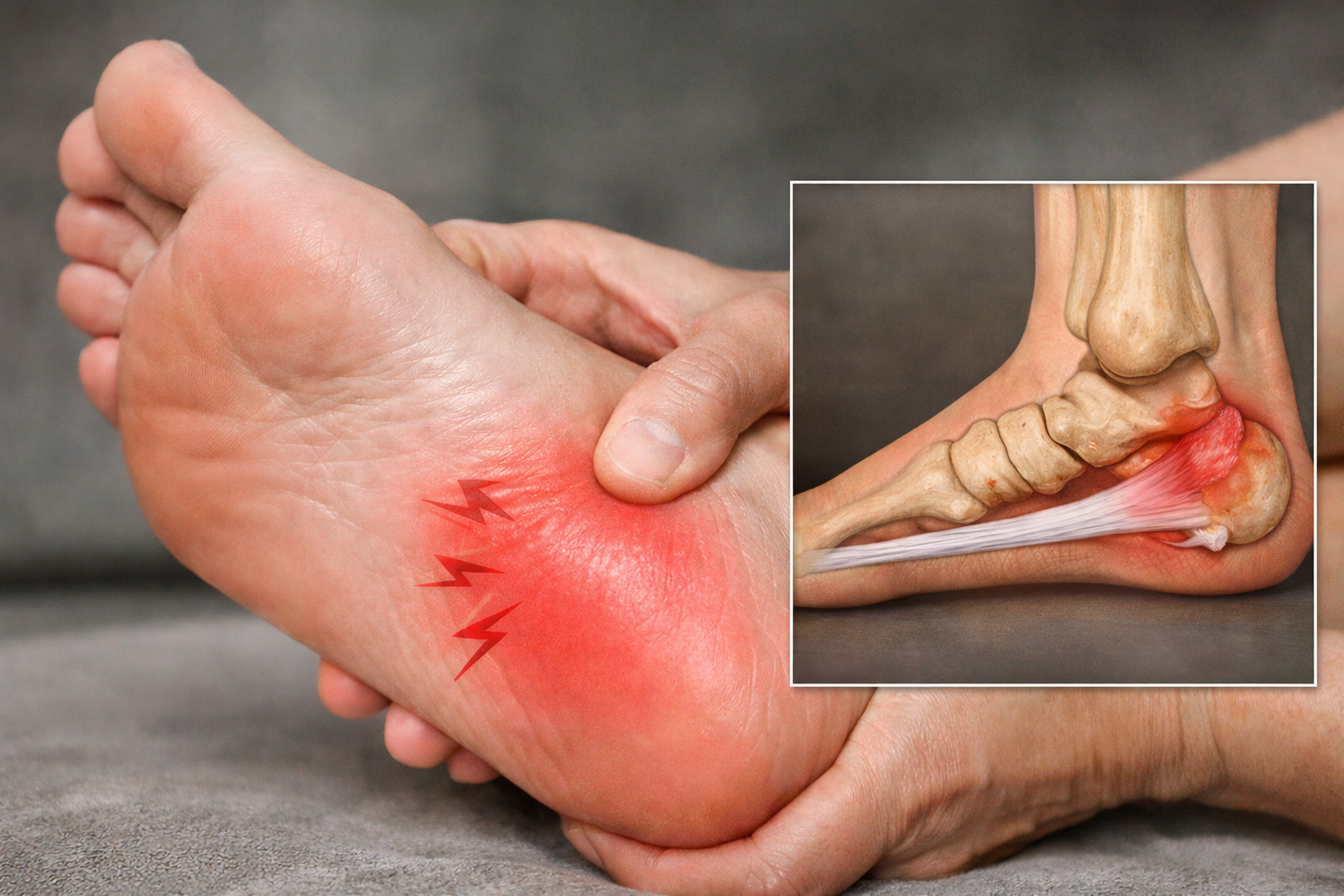
Plantar fasciitis
The plantar fascia is a ligament stretching from the heel to the forefoot, supporting the arch and absorbing impact during running. When mileage suddenly incre…
174 -
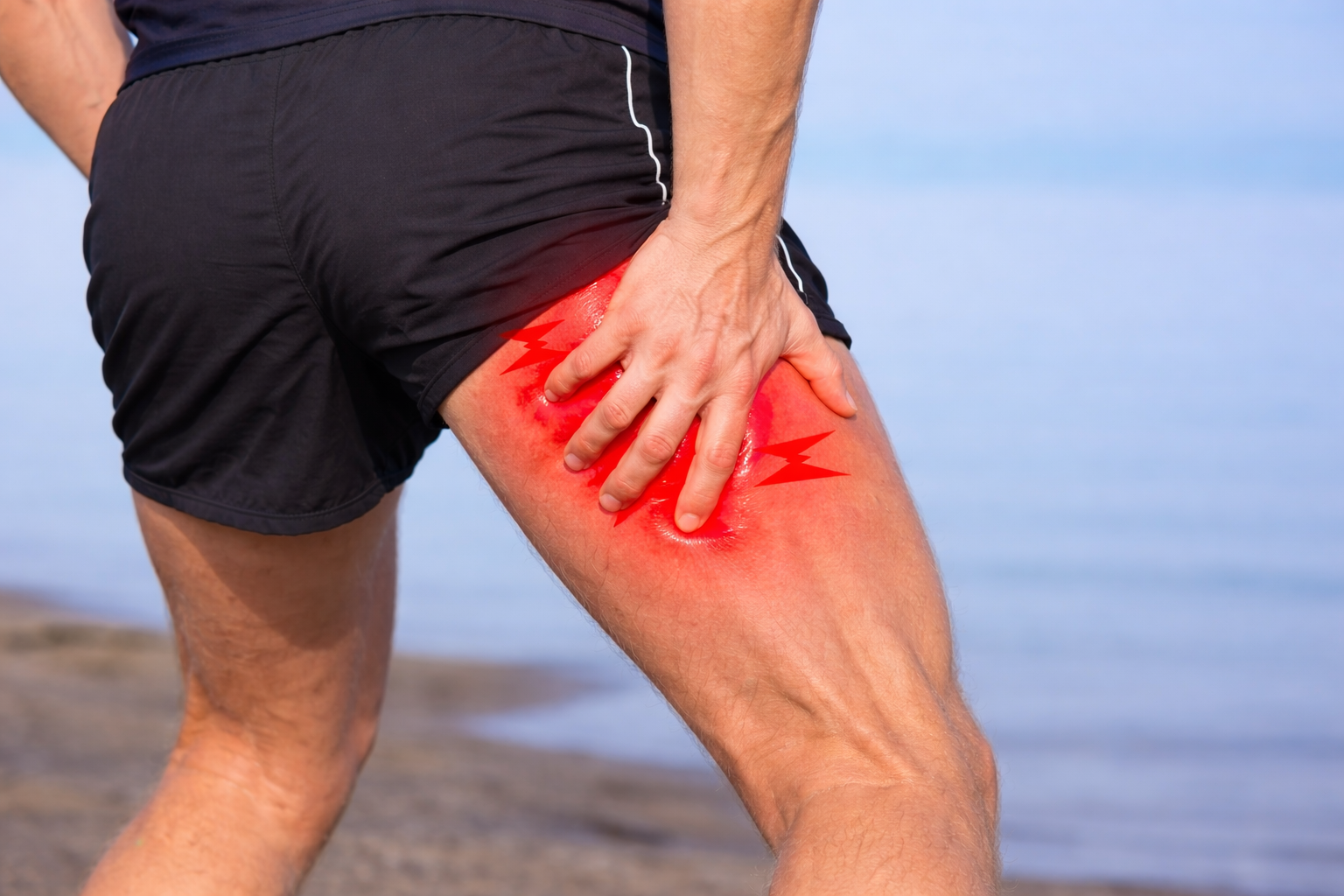
Hamstring strain (posterior thigh injury)
The hamstrings, located at the back of the thigh, control leg swing deceleration and assist hip extension during running. When sudden acceleration, sprinting, …
144 -
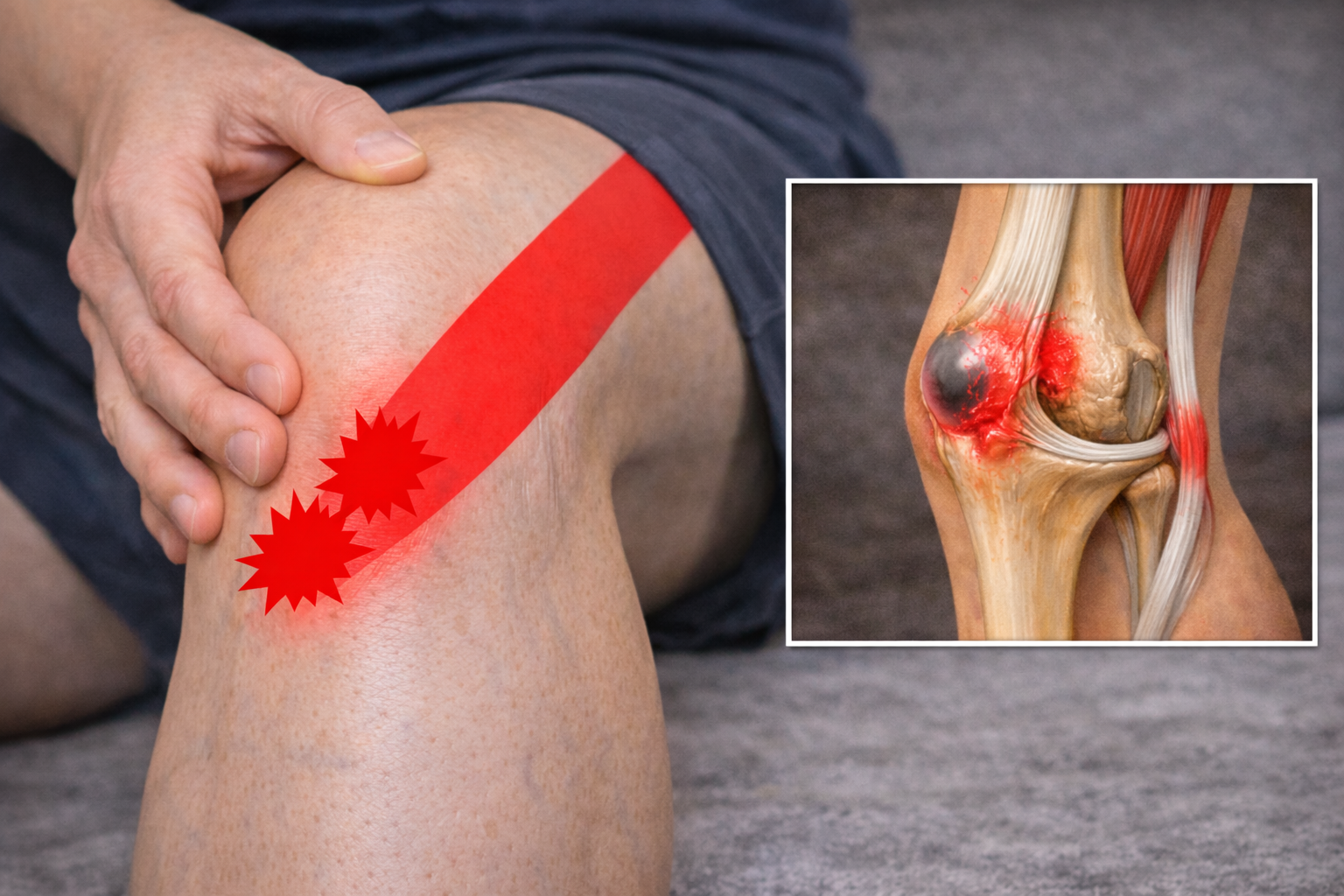
Iliotibial band syndrome (IT Band Syndrome, lateral knee pain)
The iliotibial band is a thick fascia running from the outside of the hip down to the outer knee, helping stabilize the hip and knee during running. When milea…
145